
Yogini Ekadashi 2026: Spiritual Meaning, Fasting Rituals, Puranic Story & Astrological Significance Explained in Depth
Primary Keywords: Yogini Ekadashi 2026, Yogini Ekadashi vrat katha, Yogini Ekadashi significance, Ekadashi fasting rules, Yogini Ekadashi astrology, Ashadha Krishna Ekadashi, spiritual benefits of Ekadashi, Markandeya Rishi story, Kubera Hemamali legend
Secondary Keywords: Ekadashi parana time, Hari Vasara meaning, Ashadha month Ekadashi, Sun Moon astrology Ekadashi, Brahma Vaivarta Purana Yogini Ekadashi, karma cleansing fast
Understanding Yogini Ekadashi in the Lunar Calendar
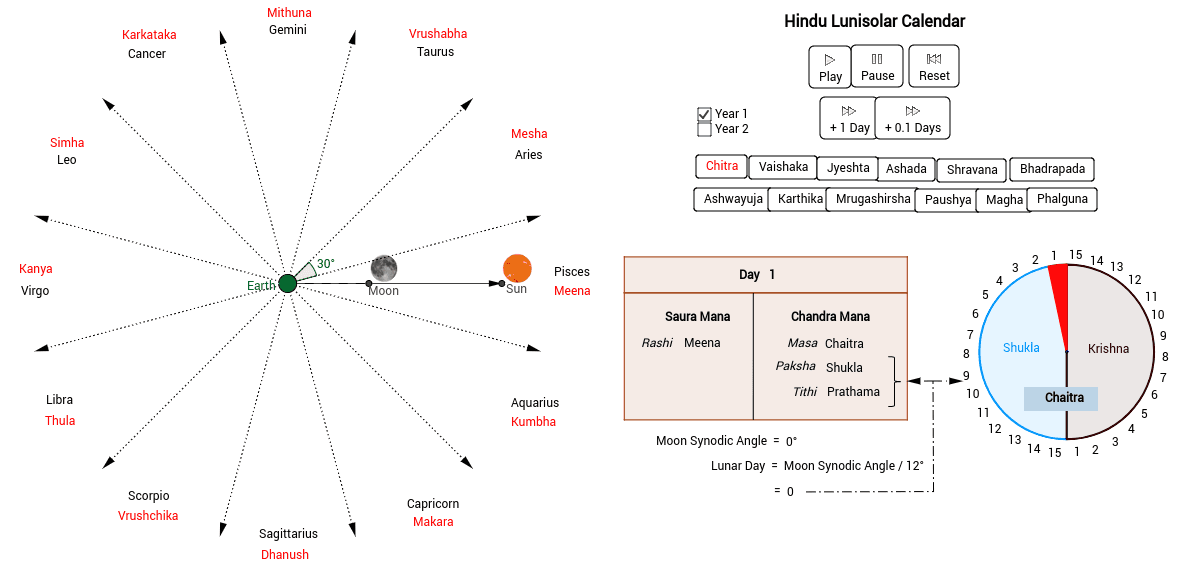


Yogini Ekadashi falls during the Krishna Paksha (waning phase of the Moon) in the lunar month of Ashadha in the North Indian calendar. In the South Indian system, it occurs during the Krishna Paksha of Jyeshtha. On the Gregorian calendar, this usually corresponds to June or July.
It comes after Nirjala Ekadashi and before Devshayani Ekadashi, marking a spiritually potent transition in the Ekadashi cycle.
In the traditional Hindu lunisolar system, Ekadashi is the 11th lunar day (tithi). Each Ekadashi carries distinct symbolic and devotional energy depending on the Sun–Moon configuration and the mythological narrative attached to it.
Why Ekadashi Is Considered Spiritually Powerful
Ekadashi has long been observed as a day of fasting, restraint, and inner recalibration. Rather than being a superstition, it functions as a cyclical pause aligned with lunar rhythm.
In symbolic language:
- The Moon represents the mind
- The Sun represents consciousness or soul
- Ekadashi represents a moment of recalibration between the two
This is why fasting on Ekadashi is described as a day of mental clarity, karmic purification, and spiritual discipline.
Yogini Ekadashi, in particular, is said to remove accumulated negative karma and restore spiritual merit (punya).
Yogini Ekadashi Vrat: Ritual Timing and Observance
When to Begin the Fast
- The fast begins at sunrise on Ekadashi tithi
- It continues until the next day (Dwadashi)
Parana (Breaking the Fast)
- Must be done during Dwadashi tithi after sunrise
- Avoid breaking during Hari Vasara (first quarter of Dwadashi)
- Best time: Pratahkal (morning period)
- Avoid: Madhyahna (midday) unless unavoidable
Failure to observe proper Parana timing is traditionally considered a lapse in vrata discipline.
The Puranic Story of Yogini Ekadashi
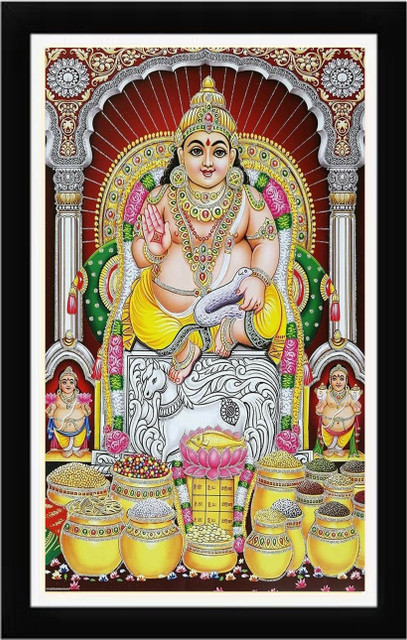


The story of Yogini Ekadashi is narrated in the Brahma Vaivarta Purana.
The Curse of Hemamali
In the celestial city of Alakapuri lived Kubera, the treasurer of the gods and a devoted worshipper of Lord Shiva. His attendant, Hemamali, was tasked with collecting sacred flowers from Lake Manasarovar for daily worship.
One day, distracted by attachment to his wife, Hemamali neglected his duty. Enraged at this breach of devotion, Kubera cursed him with a severe skin disease and banished him to Earth.
Redemption Through Yogini Ekadashi
Wandering in misery, Hemamali encountered the immortal sage Markandeya. The sage advised him to observe the upcoming Yogini Ekadashi with sincerity and discipline.
Hemamali fasted, practiced restraint, and meditated on Lord Vishnu. Through this observance, he was cured of his affliction and restored to his divine state.
Symbolic Interpretation
Rather than reading the story literally, it can be understood symbolically:
- Kubera = Responsibility and Dharma
- Hemamali’s distraction = Attachment overpowering duty
- Disease = Manifestation of imbalance
- Ekadashi fast = Conscious correction of internal disorder
Yogini Ekadashi thus represents restoring alignment after deviation from purpose.
Astrological Interpretation of Yogini Ekadashi


From a Jyotish (Vedic astrology) perspective, Yogini Ekadashi typically occurs when:
- Sun is in Gemini (Mithuna)
- Moon occupies Aries or nearby nakshatras
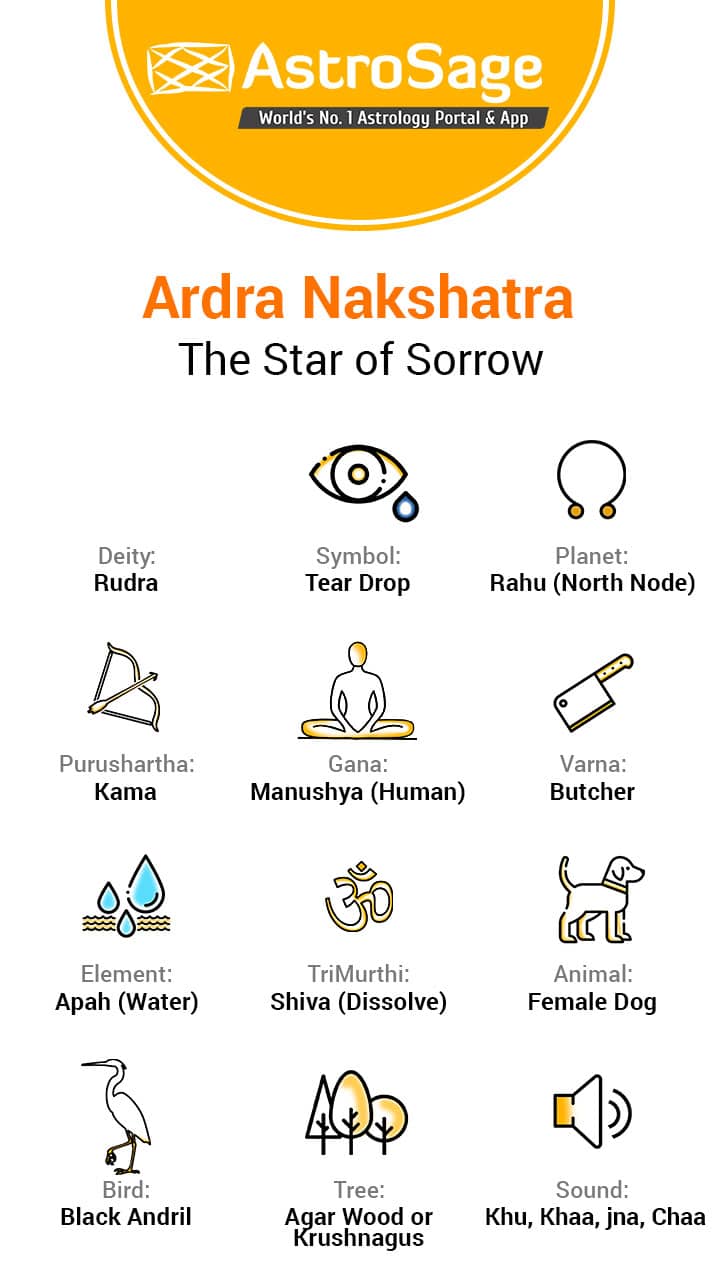
- Key Nakshatras involved: Mrigashira (part), Ardra, Punarvasu (part)
Gemini is ruled by Mercury (Budha), representing intellect. Ardra is ruled by Rahu, often associated with karmic turbulence and purification.
Classical Astrological References
In Brihat Jataka by Varahamihira (Chapter 24), certain planetary afflictions involving the Sun and Moon are said to produce skin disorders.
Similarly, Brihat Parashara Hora Shastra (BPHS), in chapters discussing planetary combinations and disease (Chapter 40+ in common editions), mentions that afflictions involving:
- Sun
- Moon
- Signs of Mars or Mercury
can indicate skin-related imbalances.
The story’s reference to white skin disease (often interpreted as vitiligo) symbolically reflects solar-lunar imbalance.
Thus, Yogini Ekadashi falls at a time astrologically associated with:
- Mental agitation (Moon)
- Ego-intellect tension (Sun in Mercury sign)
- Karmic cleansing themes (Ardra–Rahu influence)
The fast becomes a symbolic act of harmonizing these forces.
Why Ekadashi Is Considered Superior Among Tithis
Traditional texts state that the Moon holds enhanced strength between:
- Shukla Paksha Ekadashi
- and Krishna Paksha Panchami
The 11th lunar day is psychologically significant. It often coincides with:
- Heightened introspection
- Reduced external engagement
- Increased emotional sensitivity
Metaphorically, the Sun (King) and Moon (Queen) reach temporary alignment. When intellect and emotion cooperate, healing occurs.
Ekadashi fasting encourages:
- Single-pointed focus
- Reduced sensory overload
- Dietary discipline
- Mental withdrawal from excess stimulation
It is less about deprivation and more about energetic recalibration.
Charity (Dana) on Yogini Ekadashi
Scriptural sources state that charity on Ekadashi yields multiplied merit.
Giving on:
- Ekadashi
- Amavasya
- Purnima
- Janmashtami
- Rama Navami
- Eclipse periods
is traditionally considered highly meritorious.
Sacred geography such as:
- Varanasi
- Gaya
- Badrinath
is believed to amplify ritual potency symbolically.
The Deeper Psychological Meaning
Yogini Ekadashi is fundamentally about:
- Resolving inner conflict
- Aligning desire with responsibility
- Healing through conscious restraint
When the mind (Moon) and higher awareness (Sun) find agreement, clarity emerges. Problems dissolve not because fate changes overnight, but because perception shifts.
Lifestyle shifts—consistent discipline, introspection, mindful habits—create long-term transformation. Ekadashi acts as a bi-monthly reminder to recalibrate.
Conclusion: Yogini Ekadashi as a Cycle of Correction
Yogini Ekadashi is not merely a ritual fast. It is:
- A symbolic karmic reset
- A lunar-aligned introspection day
- A mythological reminder about discipline and attachment
- An astrologically meaningful point of Sun–Moon tension and healing
When approached consciously, it becomes less about fear of curse and more about reclaiming alignment.
References
- Brahma Vaivarta Purana, Krishna Janma Khanda, Chapter describing Yogini Ekadashi narrative (English translation by Motilal Banarsidass edition).
- Varahamihira. Brihat Jataka, Chapter 24: Effects of planetary combinations on diseases. Translated by N. Chidambaram Iyer, Motilal Banarsidass, 1997 edition.
- Maharishi Parashara. Brihat Parashara Hora Shastra, Chapters 40–44 (Disease combinations), translated by R. Santhanam, Sagar Publications.
- Kane, P.V. History of Dharmasastra, Vol. V, Part 1 – Discussion on Ekadashi Vrata traditions.
- Wikipedia contributors. “Ekadashi.” Wikipedia, The Free Encyclopedia. https://en.wikipedia.org/wiki/Ekadashi
- Wikipedia contributors. “Brahma Vaivarta Purana.” https://en.wikipedia.org/wiki/Brahma_Vaivarta_Purana
- Lochtefeld, James G. The Illustrated Encyclopedia of Hinduism, Vol. 1, Rosen Publishing, 2001 (Entry on Ekadashi).