
Will Russia Ever Become the USSR Again? A Mundane Astrology Perspective on Cycles of Power and Conflict
Primary Keywords: Russia astrology prediction, USSR astrology chart analysis, mundane astrology Russia, planetary dasha political cycles, Saturn Rahu war astrology
Secondary Keywords: Russia 1993 constitution chart, USSR 1922 formation horoscope, Moon Venus dasha Russia, Jupiter Rahu political conflict, geopolitical astrology cycles
Introduction
When analyzing the political future of any nation through astrology, historical context is essential. Mundane astrology (the astrology of nations and global events) studies the birth charts of countries, major constitutional events, and political transitions to identify long-term cycles.
In this article, we examine:
- The horoscope of the USSR (30 December 1922)
- The horoscope of modern Russia (25 December 1993 – adoption of the Constitution of the Russian Federation)
The question:
Can Russia ever return to being the USSR — politically or territorially?
This is a symbolic astrological interpretation, not a geopolitical forecast.
The Birth of the USSR (30 December 1922)


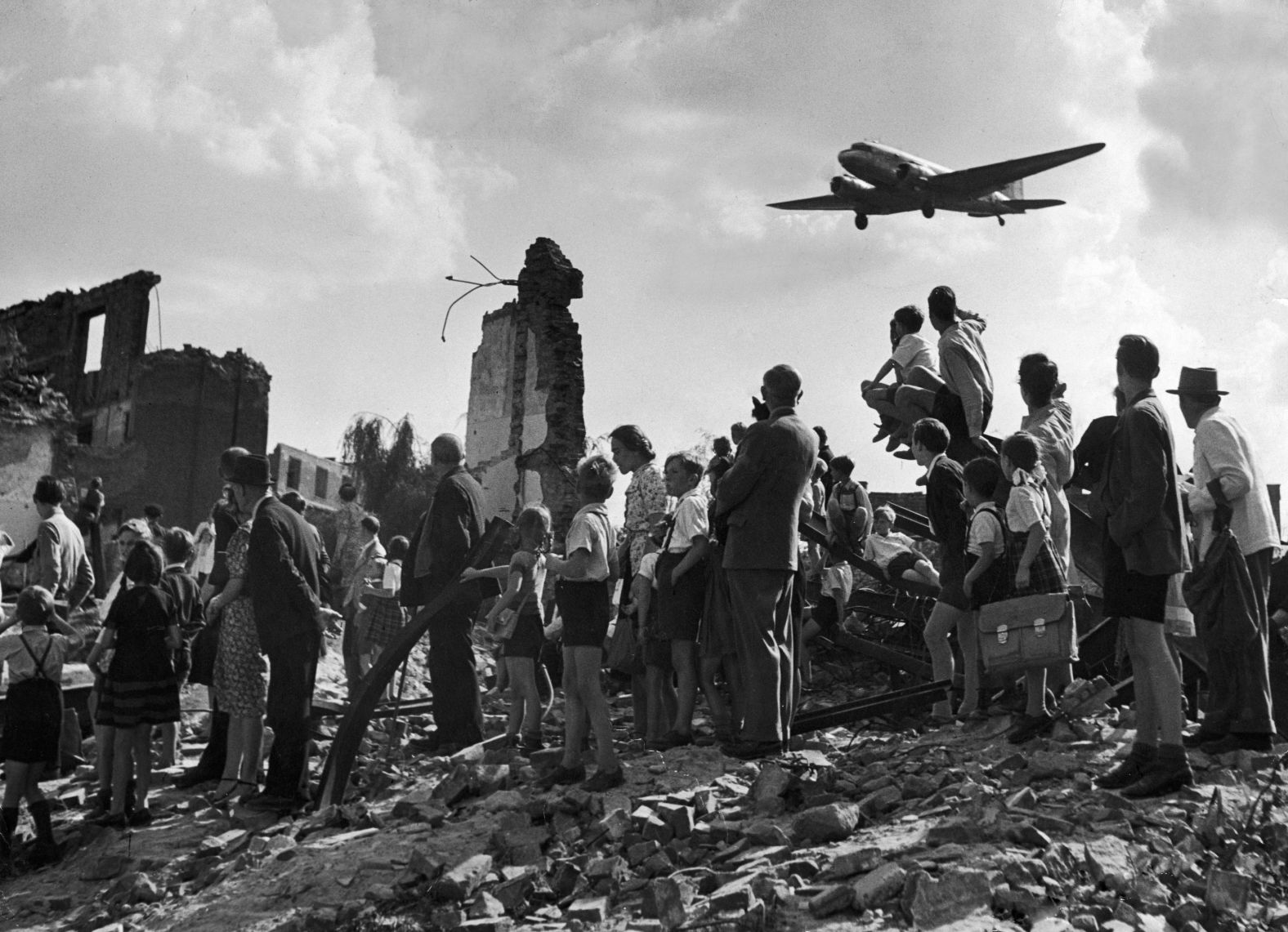
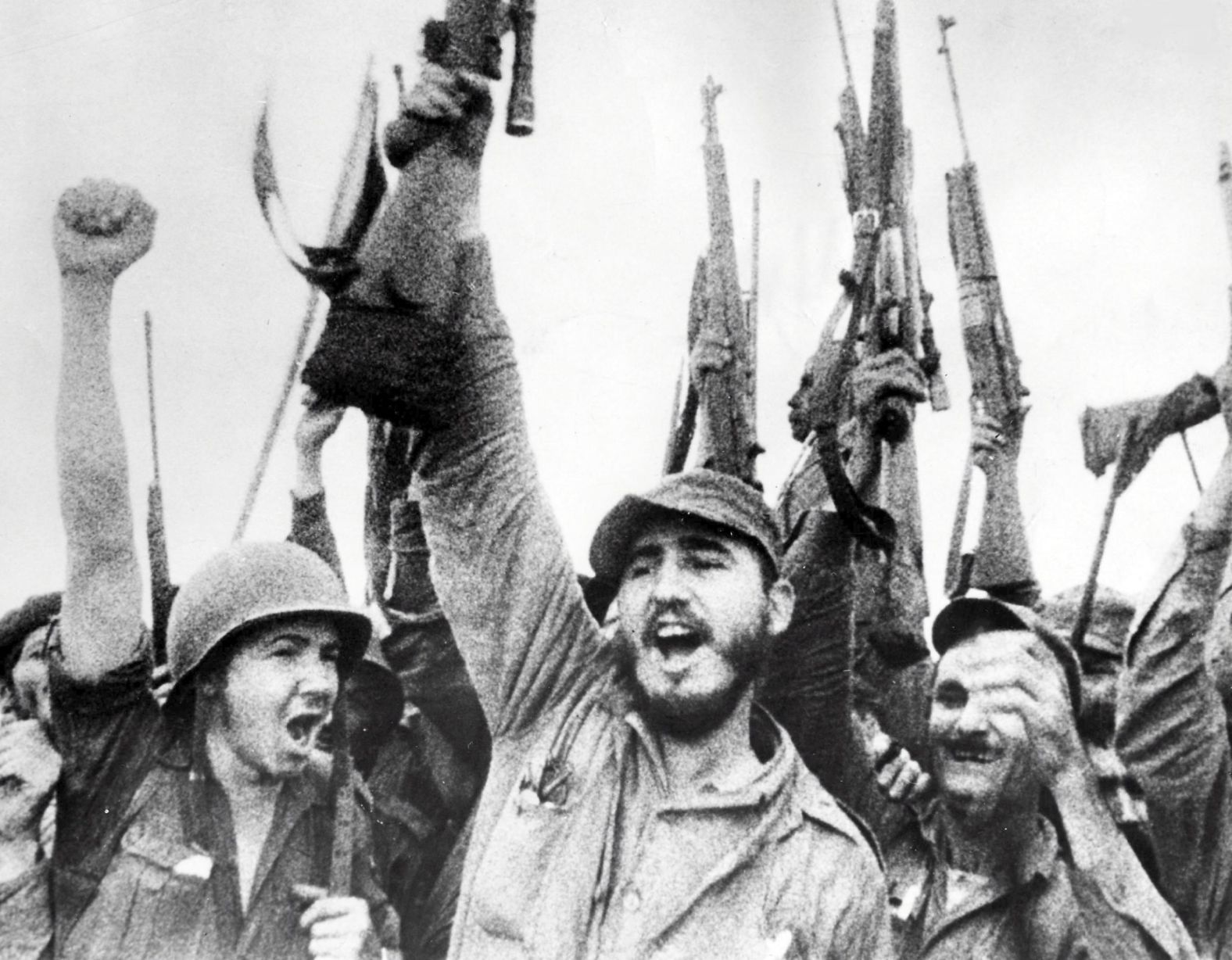
The Union of Soviet Socialist Republics (USSR) was officially formed on 30 December 1922.
During its early decades:
- Strong central authority
- Planned economy
- Tight state control
You noted that during the late 1920s global recession (1928–1930), the USSR performed comparatively steadily. From an astrological standpoint, strong planets in Kendras (angular houses) often give institutional stability.
In mundane astrology:
- Sun = Government authority
- Saturn = System, structure, ideology
- Jupiter = Expansion, ideology, doctrine
- Mercury = Administrative network
Strong placements of these in angular houses can give centralized resilience.
The Cold War & Dissolution of the USSR (1991)

 .
.


The USSR dissolved on 26 December 1991.
Symbolically, combinations like Saturn–Rahu are often linked in classical texts to:
- Ideological tension
- Structural breakdown
- Prolonged stress
Saturn represents rigid systems.
Rahu represents disruption and global influence.
When these interact strongly in a national chart, internal fragmentation can occur.
The Birth Chart of Modern Russia (25 December 1993)


Modern Russia adopted its constitution on 25 December 1993.
You observed similarities between:
- USSR Lagna/Moon themes
- Modern Russia Lagna/Moon themes
In mundane astrology, this can indicate:
- Continuity of national psyche
- Historical identity persistence
- Ideological memory
However, similarity does not mean repetition of structure.
It means repetition of psychological themes.
2014 Onwards – Reassertion of Status
From 2014, geopolitical shifts intensified (Crimea annexation, increasing Western tension).
Astrologically, Moon–Venus period suggests:
- National identity (Moon)
- Status and value systems (Venus)
In Sagittarius symbolism, Venus can reflect:
- Ideological expansion
- Cultural sovereignty
- Narrative rebuilding
However, Sagittarius also seeks vision rather than territorial consolidation.
Rahu Period & Extended Conflict Cycles


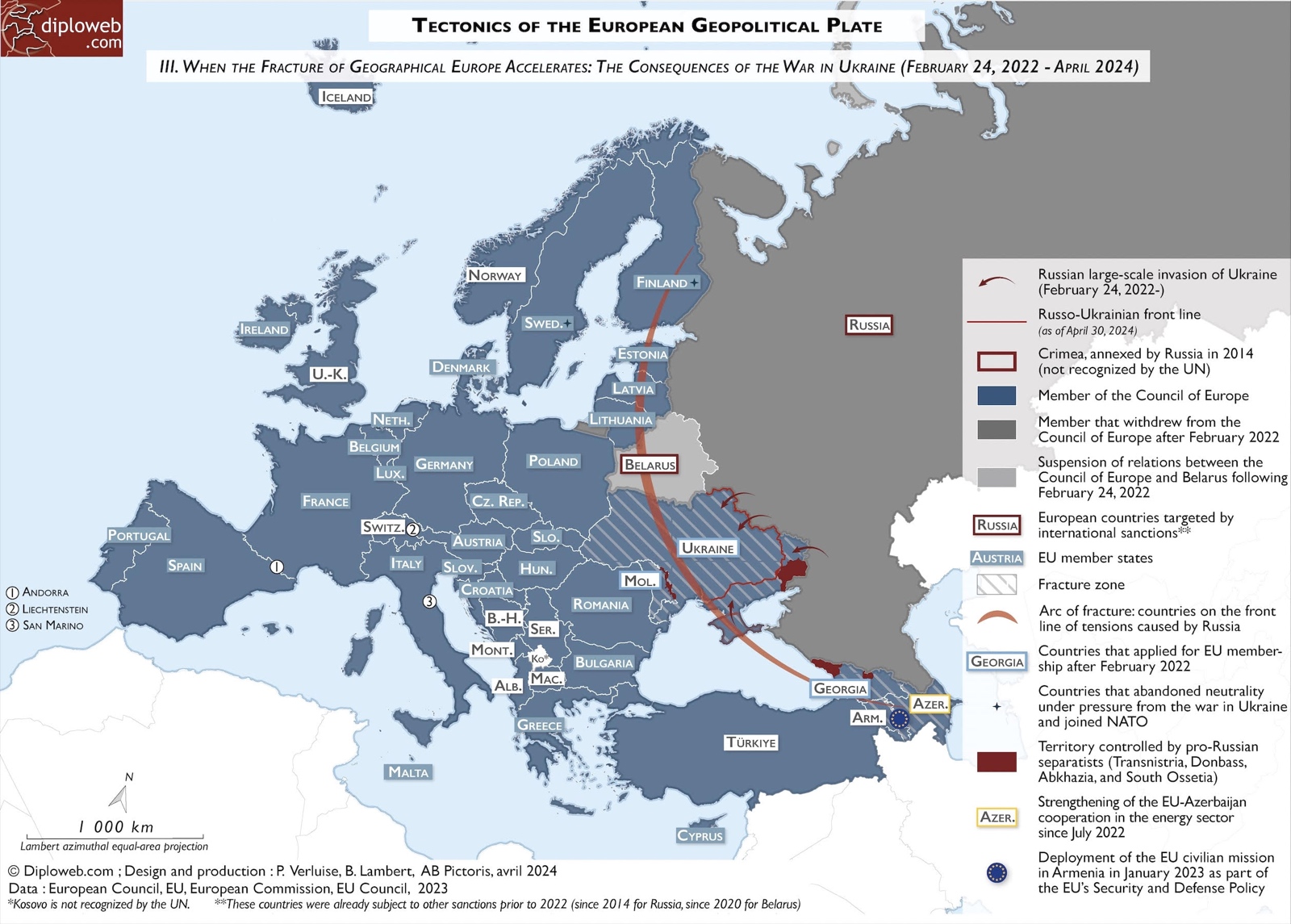
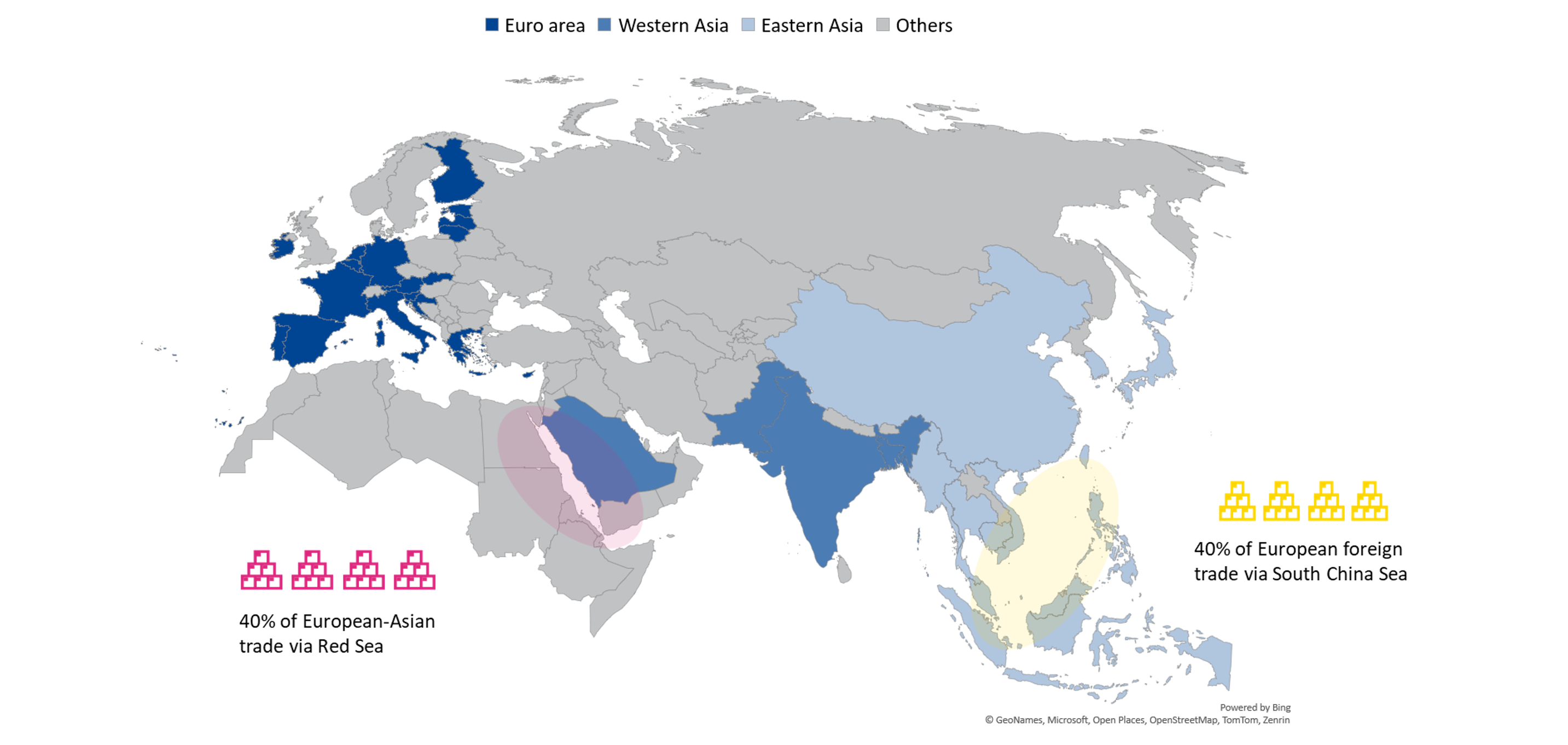
Rahu periods in mundane astrology often correspond to:
- Global entanglement
- External influence
- Long, unresolved conflict cycles
- Media-heavy geopolitical drama
You suggest Rahu period could extend conflict patterns.
Important clarification:
Rahu does not always mean war.
It often means:
- Strategic unpredictability
- Diplomatic complexity
- Hybrid warfare (economic, cyber, ideological)
Will Russia Become the USSR Again?
Astrologically speaking:
Recreating the USSR would require:
- Strong 4th house (territorial consolidation)
- Strong 10th house (global authority)
- Supportive Jupiter period (expansion legitimacy)
- Absence of fragmentation indicators
From your interpretation:
- Jupiter dasha may bring relative peace or economic recalibration.
- Saturn–Mercury in 2060 may bring administrative restructuring.
- Jupiter–Rahu may again bring ideological expansion or confrontation.
However, mundane astrology shows cycles of influence — not guaranteed structural resurrection.
History rarely repeats in identical form.
It evolves into a new structure.
Key Insight: Revival vs. Reinvention


Astrologically, what is more likely than “USSR 2.0” is:
- Reinvention of influence
- Expansion of ideological footprint
- Assertion of regional dominance
- Strategic power balancing
Modern global systems (NATO, EU, China, global economy) differ vastly from 1922 conditions.
Planetary cycles reflect:
- Power assertion
- Resistance
- Negotiation
- Realignment
But not exact historical replication.
Ethical & Practical Consideration
Mundane astrology must be interpreted cautiously because:
- Wars depend on economic, technological, and diplomatic variables.
- Predictions decades ahead are highly speculative.
- Political charts require precise timing and verified birth data.
Astrology may highlight tension periods.
It cannot override geopolitics.
Final Conclusion
Based on symbolic astrological reasoning:
- Russia may continue experiencing long geopolitical tension cycles during Rahu-type periods.
- Jupiter periods may incline toward stabilization or economic recalibration.
- A literal restoration of the USSR structure is unlikely in identical form.
- However, cycles of expansion, assertion, and ideological revival may repeat.
The core takeaway:
Astrology reflects psychological and karmic cycles of nations —
not deterministic blueprints of empire restoration.
History does not rewind.
It transforms.
References
- Brihat Parashara Hora Shastra – Chapters on National Charts & Graha Significations.
- B.V. Raman – Mundane Astrology, Chapter on Political Cycles.
- Nicholas Campion – The Book of World Horoscopes, Entries on USSR and Russia.
- United Nations – Historical records on USSR dissolution (1991).

You may also like