
Why Is Gen Z Obsessed with Astrology?
Astrology has surged into mainstream culture again, but this time the driving force is Generation Z (born roughly between 1997–2012). From viral TikTok birth chart analyses to astrology-themed memes and horoscope apps, astrology has become deeply woven into Gen Z’s digital culture and identity exploration.
Yet this fascination is not merely about predicting the future. For many young people, astrology functions as a language of self-understanding, social connection, and meaning-making in an uncertain world.
This article explores the psychological, social, technological, and cultural reasons behind Gen Z’s growing interest in astrology, supported by research and academic references.
1. Astrology as a Tool for Identity Exploration
One of the most powerful reasons Gen Z gravitates toward astrology is its usefulness as a framework for understanding personality and identity.
Unlike previous generations that relied heavily on traditional identity markers such as religion, career paths, or rigid social roles, Gen Z often experiences identity as fluid, exploratory, and evolving.
Astrology provides a symbolic language to explore questions like:
- Who am I?
- Why do I behave the way I do?
- Why do I connect with certain people and not others?
Birth charts—containing elements like sun sign, moon sign, rising sign, and planetary placements—offer complex archetypal descriptions that feel more nuanced than simple personality categories.
For example:
- A Cancer Moon might be interpreted as emotionally sensitive.
- A Scorpio Rising might be described as intense or private.
- A Mercury in Gemini placement might symbolize quick communication.
These archetypes help young people narrate their inner experiences.
Psychologist Nicholas Campion describes astrology as a symbolic language for self-reflection rather than a predictive science.
“Astrology functions as a cultural system that provides meaning and identity narratives.”
— Campion, Astrology and Popular Religion in the Modern West
2. Coping with Uncertainty and Anxiety
Gen Z has grown up during an era marked by significant global instability:
- climate change anxiety
- economic uncertainty
- political polarization
- the COVID-19 pandemic
- rapid technological disruption
In uncertain environments, people often seek systems that provide patterns, meaning, or reassurance.
Astrology offers a narrative structure for interpreting chaotic events:
- Mercury retrograde becomes a symbolic explanation for communication mishaps.
- Saturn returns symbolize adulthood transitions.
- planetary transits reflect emotional cycles.
Research suggests belief systems often increase during periods of uncertainty.
A 2022 survey by the Pew Research Center found that nearly 30% of Americans believe astrology has some influence on people’s lives, with younger adults being significantly more likely to engage with astrological content.
Astrology does not necessarily eliminate uncertainty—but it reframes it within a meaningful cosmic story.
3. The Role of Social Media
Astrology’s popularity among Gen Z is inseparable from digital platforms, particularly:
- TikTok
- Twitter/X
- YouTube
Astrology content thrives in algorithmic environments because it is:
- highly shareable
- relatable
- meme-friendly
- emotionally resonant
Examples include:
- viral TikTok videos explaining rising signs
- meme accounts joking about zodiac traits
- astrology podcasts discussing transits
According to data from TikTok analytics, the hashtag #astrology has billions of views, demonstrating massive engagement.
These platforms transform astrology into a participatory culture, where users actively:
- interpret charts
- share memes
- compare placements
- discuss compatibility
Sociologist Alice Marwick notes that social media often encourages forms of identity performance, and astrology provides convenient archetypal roles.
4. Astrology as an Alternative to Traditional Religion
Another reason for the rise of astrology is the decline of organized religion among younger generations.
According to Pew Research Center (2021):
- Gen Z is the least religious generation in modern U.S. history.
- Nearly 34% identify as religiously unaffiliated.
However, declining institutional religion does not necessarily mean declining spirituality.
Many Gen Z individuals describe themselves as:
- “spiritual but not religious”
Astrology fits well within this framework because it:
- avoids rigid dogma
- emphasizes personal interpretation
- integrates with other spiritual practices
Astrology often appears alongside:
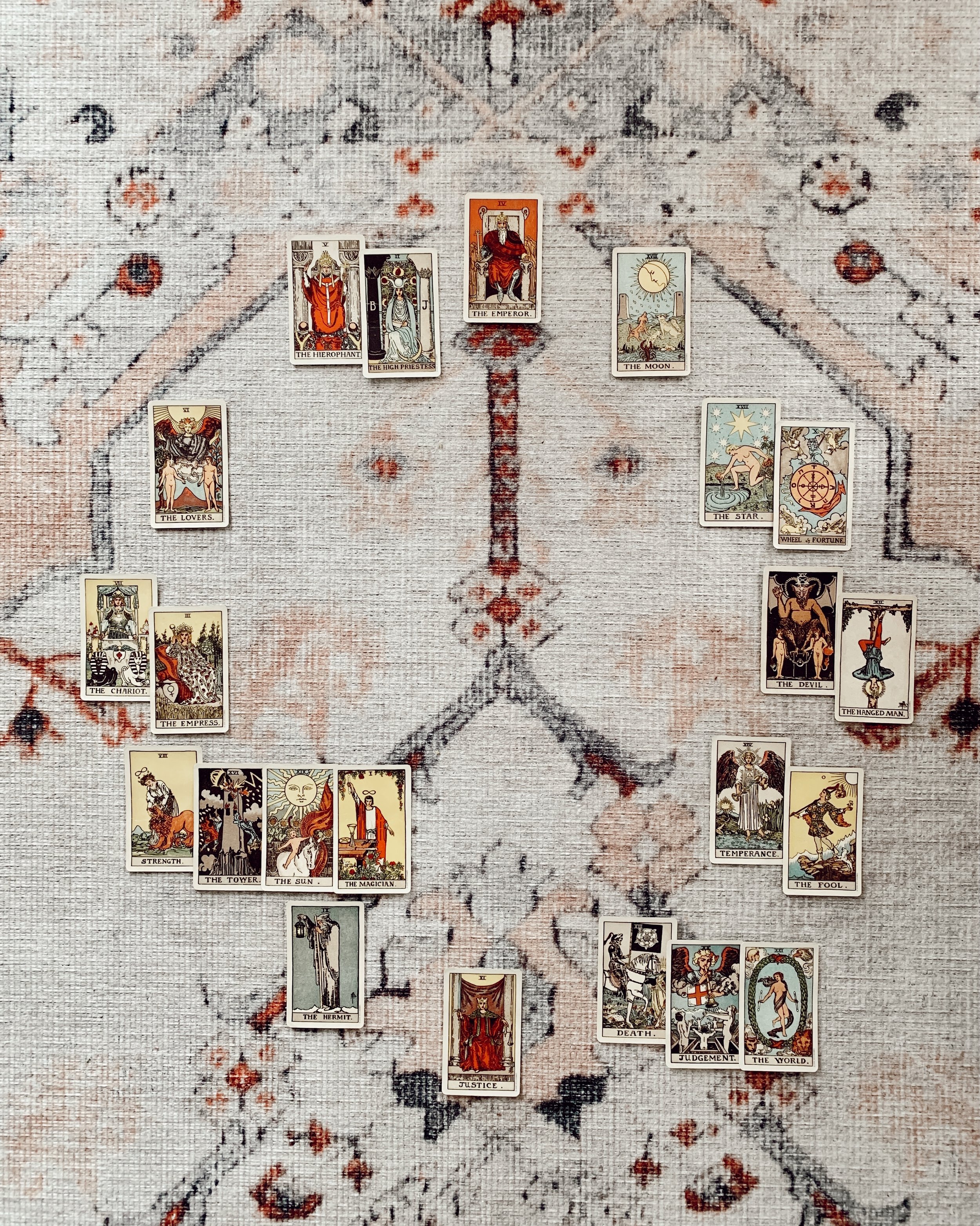
- tarot
- manifestation practices
- crystal symbolism
- mindfulness and meditation
Rather than functioning as a strict belief system, astrology often operates as a symbolic spiritual toolkit.
5. Astrology as a Social Language
Astrology has also become a shared cultural shorthand.
Among Gen Z, asking someone:
“What’s your sign?”
can function similarly to asking about personality type or interests.
Astrological language helps people describe behaviors quickly:
Examples:
- “That’s such a Virgo thing to do.”
- “Of course they ghosted—Mercury retrograde.”
- “We’re not compatible; he’s a Leo and I’m a Scorpio.”
These statements may be humorous or semi-serious, but they create instant conversational bonding.
Anthropologists often note that belief systems persist partly because they help build community and group identity.
6. Astrology and Mental Health Discourse
Gen Z is also the generation most comfortable discussing mental health and emotional awareness.
Astrology often intersects with psychological language:
For instance:
- Moon signs are associated with emotional patterns.
- Saturn represents life lessons or boundaries.
- Pluto symbolizes transformation and trauma.
Some astrologers integrate astrology with depth psychology, particularly drawing from the ideas of Carl Jung, who explored archetypes and synchronicity.
Although astrology should not replace professional mental health support, many young people use it as a reflective framework for emotional insight.
7. The Personalization Factor
Another major appeal is astrology’s extreme level of personalization.
Unlike generic horoscopes, modern astrology tools generate detailed birth charts based on:
- exact birth time
- location
- planetary positions
Apps like:
- Co–Star
- The Pattern
- Sanctuary
use algorithms to generate individualized interpretations.
For a generation accustomed to personalized digital experiences, astrology fits seamlessly into this culture of customized identity analysis.
8. Astrology as Cultural Aesthetic
Finally, astrology appeals to Gen Z aesthetically.
Astrology imagery—constellations, zodiac symbols, cosmic art—fits perfectly with contemporary design trends.
Astrology appears frequently in:
- fashion
- jewelry
- phone wallpapers
- tattoos
- digital art
The zodiac becomes not just a belief system but a visual cultural motif.
Conclusion
Gen Z’s interest in astrology cannot be explained by a single factor. Instead, it emerges from a convergence of psychological, social, technological, and cultural influences.
Astrology offers:
- a framework for identity exploration
- a narrative for coping with uncertainty
- a shared cultural language
- a form of personalized spirituality
- an engaging social media phenomenon
For many young people, astrology is less about predicting destiny and more about interpreting life symbolically.
In a complex and rapidly changing world, astrology provides something deeply appealing: a sense that personal experiences are part of a larger cosmic story.
References
Campion, N. (2012). Astrology and Popular Religion in the Modern West: Prophecy, Cosmology and the New Age Movement. Routledge.
Jung, C. G. (1952). Synchronicity: An Acausal Connecting Principle. Princeton University Press.
Pew Research Center. (2021). Faith Among Americans in the Age of COVID-19.
Pew Research Center. (2018). New Age beliefs common among both religious and nonreligious Americans.
Aupers, S., & Houtman, D. (2010). Religions of Modernity: Relocating the Sacred to the Self and the Digital. Brill.
Marwick, A. (2015). Instafame: Luxury Selfies in the Attention Economy. Public Culture.
TikTok Analytics. (2023). Hashtag engagement data for #astrology.