
What Is Panchak in Vedic Astrology? Meaning, Nakshatras, Dos & Don’ts, and Muhurta Guidance
Tags
Panchak astrology, Panchak nakshatras, Vedic muhurta, Jyotish Shastra, Dhanishta nakshatra, Revati nakshatra, Panchang timing, auspicious timing astrology, Panchak dos and don’ts, Sarvartha Siddhi Yoga
Panchak in Vedic Astrology: Meaning, Nakshatras & Practical Guidance
In the classical framework of Jyotish Shastra, time is never neutral — it carries texture, rhythm, and intention. One such recurring time window is Panchak, a sequence of five consecutive nakshatras that appears every lunar month.
As the Moon completes its 27-nakshatra cycle in roughly 27 days, Panchak returns again and again — each time inviting awareness, discernment, and careful action.
The Five Nakshatras of Panchak


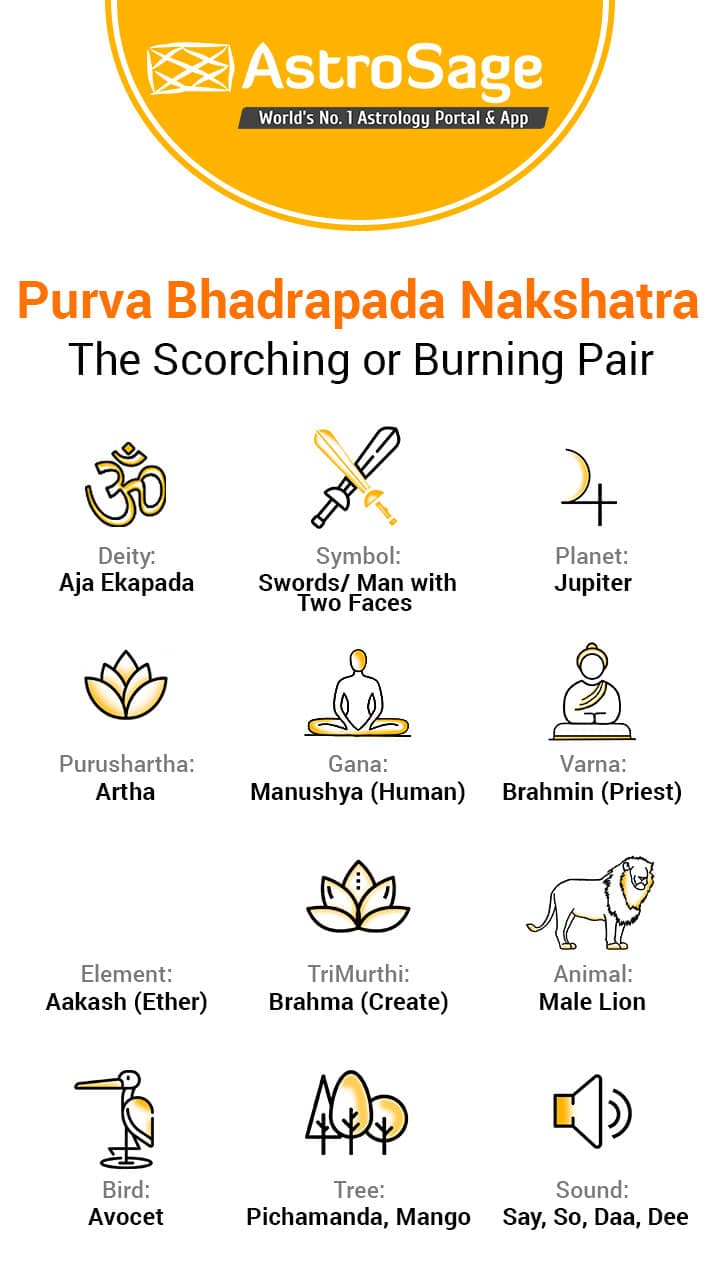
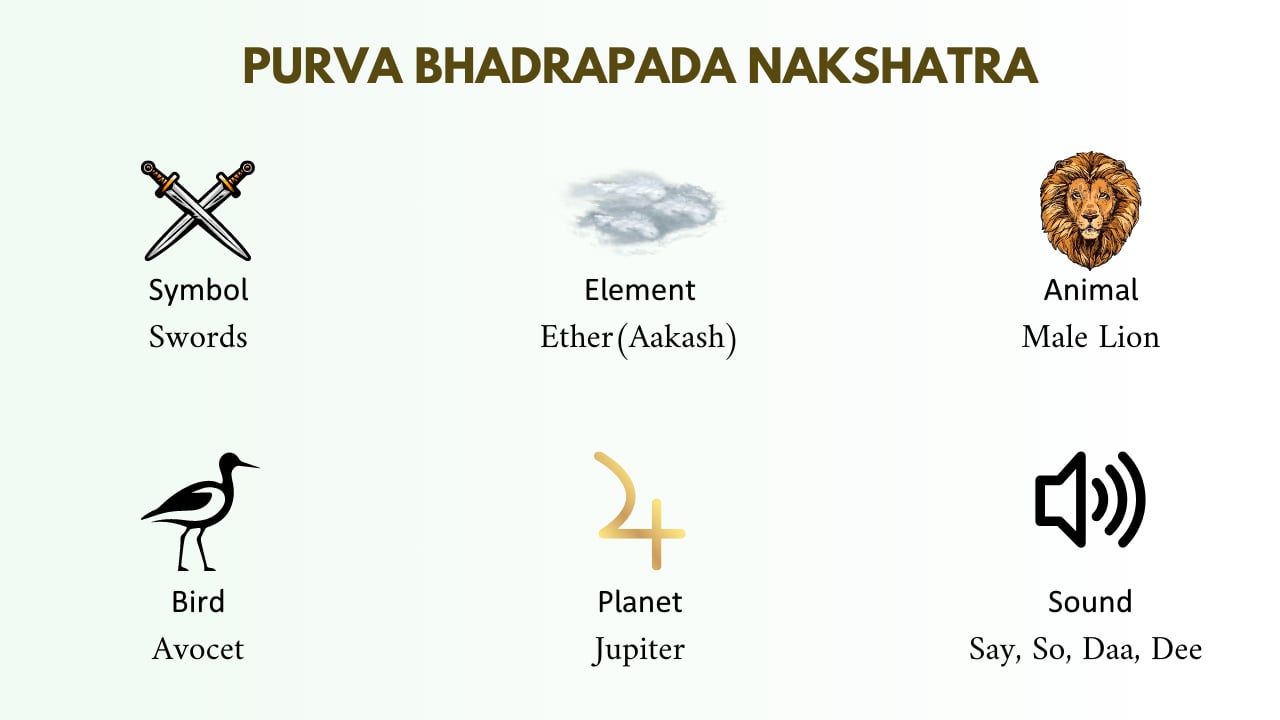
Panchak consists of the following nakshatras:
- Dhanishta
- Shatabhisha
- Purva Bhadrapada
- Uttara Bhadrapada
- Revati
Each carries a specific Sangya (classification), which influences what types of activities are considered supportive during its transit.
1. Dhanishta & Shatabhisha – Chara (Movable)
These nakshatras are dynamic and flexible in quality. Traditionally, they are considered suitable for:
- Travel
- Social or entertainment activities
- Purchasing clothes or ornaments
- Activities involving movement or change
2. Purva Bhadrapada – Ugra (Fierce)
This nakshatra is intense and transformative. It is generally advised to:
- Avoid delicate or auspicious ceremonies
- Refrain from beginning sensitive negotiations
- Postpone emotionally significant commitments
However, tasks requiring boldness or detachment may align well with its nature.
3. Uttara Bhadrapada – Dhruva (Fixed)
Stable and enduring, this nakshatra supports:
- Laying foundations
- Long-term planning
- Structural or institutional beginnings
- Commitments meant to last
4. Revati – Mridu (Gentle)
Revati is soft, nourishing, and refined. It is especially favorable for:
- Music and performing arts
- Spiritual practices
- Charitable work
- Study and contemplation
Panchak and the Influence of Weekdays


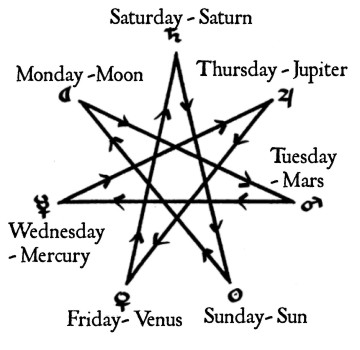
The energy of Panchak subtly shifts depending on the weekday it begins. Traditional texts describe the following classifications:
Sunday – Rog Panchak
Associated with health sensitivity. It is advisable to:
- Avoid starting new health routines
- Refrain from risky ventures
Monday – Raj Panchak
Considered favorable for:
- Property dealings
- Legal matters
- Government or official work
Tuesday – Agni Panchak
Linked with fire and conflict. Traditionally:
- Avoid construction activities
- Good for resolving disputes or assertive actions
Friday – Chor Panchak
Associated with caution in:
- Financial transactions
- Travel
- Major purchases
Saturday – Mrityu Panchak
A more restrictive classification. Suggested approach:
- Avoid major new beginnings
- Focus on completion and caution
Wednesday & Thursday
Generally regarded as less restrictive, though individual muhurta considerations still apply.
Traditional Guidelines: Dos and Don’ts During Panchak
Classical muhurta texts offer practical advice for navigating this period.
Traditionally Avoided
- Constructing or purchasing a bed or cot
- Southward travel
- Performing cremations (unless unavoidable)
- Installing roofing during Revati
- Initiating major investments during Chor Panchak
These instructions are summarized in traditional Sanskrit verses:
पञ्चके चतुराचार्यं दाहादिकर्मवर्जनम्।
दक्षिण्यं गमनं त्याज्यं शय्याभाण्डं न कल्पयेत्॥
And similarly in muhurta literature:
न चित्त्वा शय्यां पञ्चके,
न दाह्यं च मृतं तथा।
न गच्छेत् दक्षिणं देशं,
न नवं शुद्धयेद् गृहम्॥
These verses reflect a cautious approach rather than fear-based prohibition.
Hidden Opportunities Within Panchak
Panchak is not inherently negative. Its impact depends on context and combinations.
Certain alignments can form auspicious yogas. For example:
- Uttara Bhadrapada aligning with specific weekdays may create Sarvartha Siddhi Yoga, considered supportive for important undertakings.
- Revati, Shatabhisha, or Purva Bhadrapada may produce favorable yogas such as Chara or Sthira combinations depending on weekday interaction.
This highlights a core Jyotish principle: timing is layered. A period may carry general caution, yet specific combinations can override limitations.
A Balanced Perspective on Panchak
Panchak is best understood as a period of heightened awareness rather than fear. It reminds us to:
- Select auspicious muhurta carefully
- Align action with planetary tone
- Prioritize spiritual and reflective practices
- Exercise discernment in material commitments
Jyotish does not encourage superstition. It encourages intelligent timing.
When understood properly, Panchak becomes not a restriction — but a refinement of action.
Closing Reflection
Time in Vedic astrology is cyclical and symbolic. Panchak appears every month, inviting mindfulness in decision-making. By observing traditional guidance while applying practical judgment, one harmonizes effort with cosmic rhythm.
True wisdom lies not in avoidance — but in knowing when to proceed, when to pause, and when to transform intention into action.
Tag:PANCHANG



1 Comment
This is a very helpful guide for anyone planning to take astrology courses and offer professional astrology consultation later.