
Understanding Karma and Planetary Periods in Vedic Astrology: Why No Dasha Is Truly “Good” or “Bad”
Long-Tail Title
Understanding Karma and Planetary Periods in Vedic Astrology: Why No Dasha Is Truly “Good” or “Bad”
Life begins to feel lighter the moment we shift from asking “Why is this happening to me?” to “What is this teaching me?”
In astrology consultations, most questions revolve around outcomes:
- “When will I get a promotion?”
- “Why am I facing setbacks?”
- “Is my current Dasha bad?”
- “When will things improve?”
Often, planetary periods (Dashas) are blamed for every uncomfortable event. Saturn becomes “cruel.” Rahu becomes “destructive.” Mars becomes “aggressive.”
But classical Jyotisha offers a far more nuanced view: planets are not punishers. They are karmic administrators.
Planets as Instruments of Karma
In Vedic astrology, planets function as carriers of karmic timing. They do not create events randomly; they activate stored karmas when the appropriate Dasha or transit unfolds.
The foundational philosophy behind this comes from texts such as:
- Brihat Parashara Hora Shastra
- Bhagavad Gita
- Yoga Vasistha
These works emphasize that life circumstances unfold according to karmic law (Rina and Prarabdha), not planetary favoritism.
Planets simply indicate when a karmic result matures.
The Illusion of “Good” and “Bad” Dashas
Consider this scenario:
You lose your job despite sincerity and discipline.
In that moment, the mind says:
“Bad Dasha.”
“Unlucky period.”
But months later, you start your own venture or enter a better professional path.
Was that period truly negative? Or was it redirection?
Astrology teaches that events are contextual. A delay may be preparation. A rejection may be protection. A fall may be restructuring.
What feels painful often serves long-term realignment.
The Three Types of Karma
Classical philosophy divides karma into three broad categories. Understanding them transforms how you view planetary periods.
1. Drid Karma (Fixed Karma)
These are firm karmas that must manifest. They are resistant to remedies and intense effort.
Examples may include:
- Major life-altering events
- Certain unavoidable transformations
- Destiny-level turning points
Even here, astrology does not imply helplessness. It suggests preparation and conscious response.
2. Drid–Adrid Karma (Partially Fixed)
These karmas are mixed.
Their core lesson may be fixed, but intensity can shift based on:
- Awareness
- Discipline
- Spiritual practice
- Ethical action
Astrological remedies traditionally aim to soften such karmas — not erase them entirely.
3. Adrid Karma (Flexible Karma)
These are strongly influenced by present action.
Daily choices, mindset, and consistent effort significantly modify their outcomes.
This is where free will operates most powerfully.
Dasha as Timing, Not Judgment
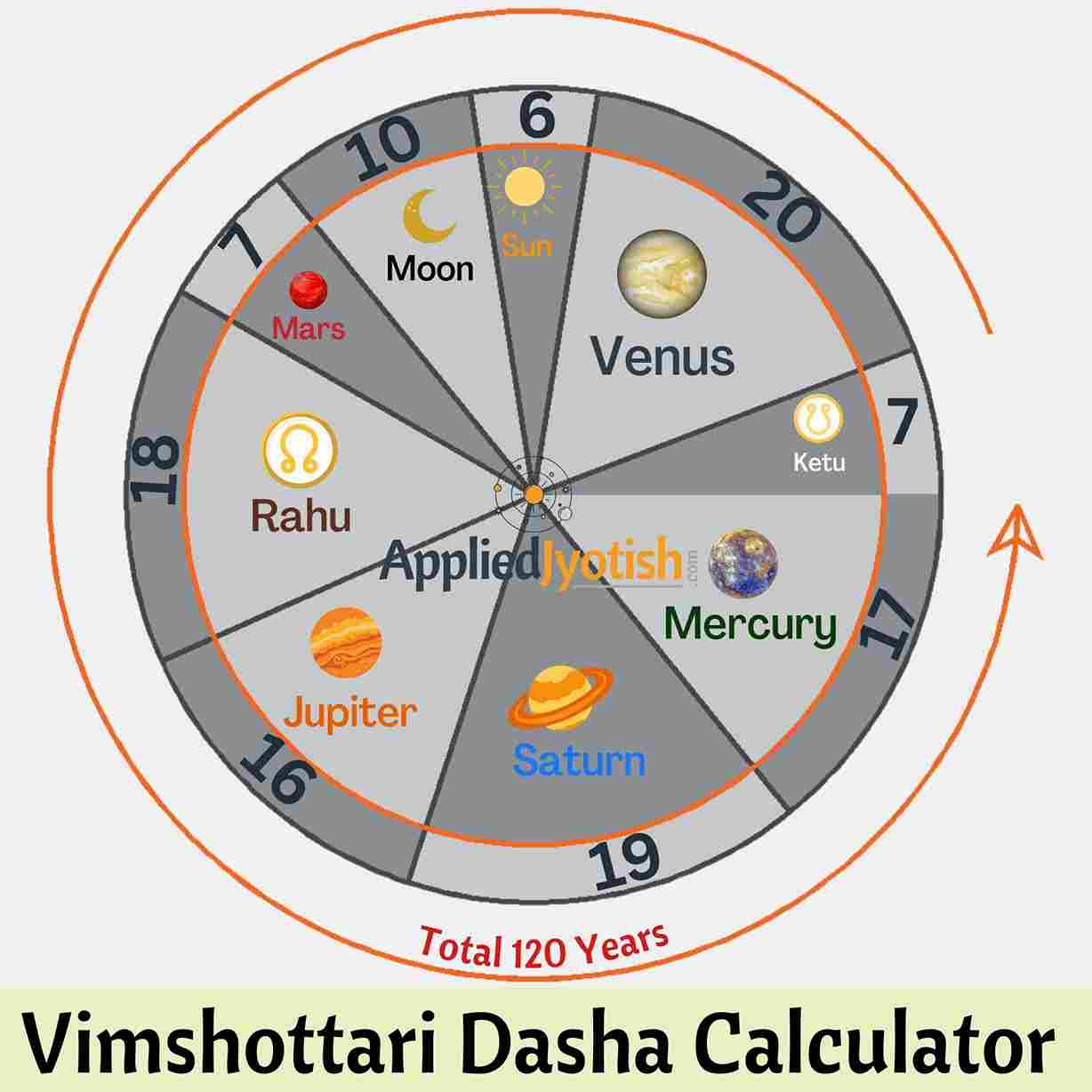
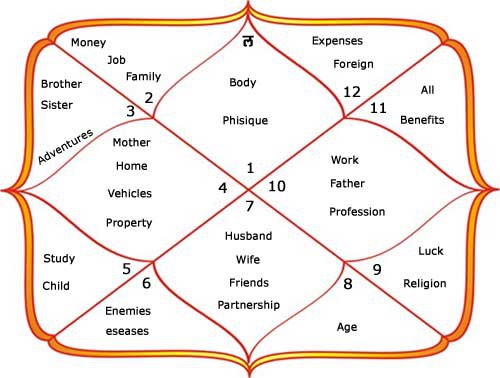


A Dasha period activates the karmas promised in the natal chart.
For example:
- A Saturn Dasha may demand discipline and restructuring.
- A Rahu Dasha may bring unconventional opportunities or instability.
- A Jupiter Dasha may expand knowledge or responsibility.
But none of these are inherently good or bad. They are phases of evolution.
In Brihat Parashara Hora Shastra, Dashas are described as systems to time karmic fruition — not moral verdicts.
The Role of Perception
Human suffering often arises from resistance.
If you believe happiness must look a certain way, any deviation feels like injustice.
But when you understand karma:
- Loss becomes closure of an old account.
- Delay becomes preparation.
- Conflict becomes karmic settlement.
The shift is philosophical before it is practical.
Planets Work Through People
One profound insight from Jyotisha:
Planets do not act in isolation.
They operate through human relationships.
- A boss may deliver Saturn’s lesson.
- A partner may activate Venus karma.
- A rival may express Mars energy.
- A mentor may channel Jupiter’s grace.
The chart shows tendencies; people become instruments.
The Higher Objective: Liberation, Not Comfort
Astrology, at its deepest level, is aligned with Moksha (liberation).
The ultimate purpose of karmic experience is not endless comfort — it is completion.
When karmic accounts are exhausted, the soul gradually moves toward freedom from repetitive cycles.
This idea is reinforced in philosophical texts like the Bhagavad Gita (Chapter 2 and Chapter 4), which describe action, detachment, and karmic resolution.
The Turning Point
Life feels heavy when events appear random and unfair.
Life feels purposeful when events are understood as part of a larger karmic architecture.
Astrology does not eliminate difficulty.
It reframes difficulty.
When you stop fighting planetary periods and start learning from them:
- Fear reduces.
- Blame dissolves.
- Responsibility increases.
- Awareness expands.
And gradually, life begins to feel simpler — not because challenges disappear, but because their meaning becomes clear.
Keyword Phrases
karma and planetary periods astrology, good and bad dasha meaning, types of karma in Vedic astrology, Drid karma explanation, Saturn dasha lessons astrology, Rahu dasha transformation meaning, karmic astrology philosophy, purpose of planetary transits.
References
- Brihat Parashara Hora Shastra – Chapters on Dasha systems (Vimshottari Dasha) and karmic timing principles.
- Bhagavad Gita – Chapter 2 (Sankhya Yoga), Chapter 4 (Karma Yoga), discussing action, detachment, and karmic consequence.
- Yoga Vasistha – Sections explaining destiny, free will, and the nature of karmic unfolding.
- Raman, B.V. Three Hundred Important Combinations – Discussion on planetary periods and life events.