
Chandramā Manaso Jātaḥ”: The Vedic Meaning of the Moon as Mind, Emotions & Subconscious in Astrology
Primary SEO Keywords: Chandrama Manaso Jatah meaning, Moon in Vedic astrology, Chandra as mind, Purusha Sukta astrology interpretation, afflicted Moon symptoms, Chandra Lagna analysis
Secondary Keywords: Moon and mental health astrology, Sun Moon balance Vedic astrology, emotional body astrology, subconscious in Jyotish, Moon affliction remedies, psychological astrology India
“Chandramā Manaso Jātaḥ” — The Moon Born of the Cosmic Mind
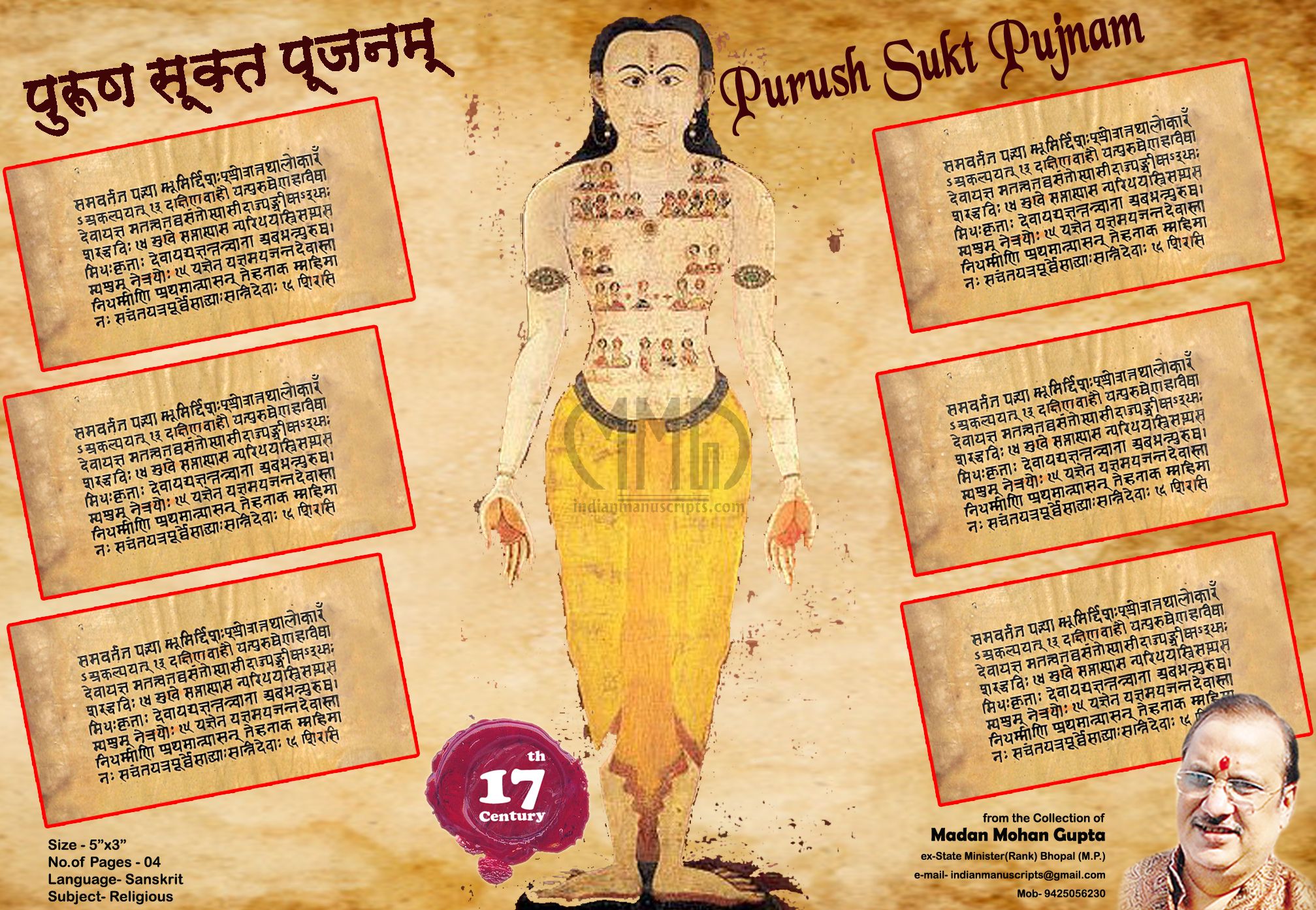


The celebrated Vedic declaration “Chandramā Manaso Jātaḥ” appears in the Purusha Sukta of the Rigveda (10.90.13). The verse translates to:
“The Moon was born from the Mind of the Cosmic Being (Virat Purusha).”
This is not poetic exaggeration. In Vedic symbolism, the Moon is not merely a celestial satellite. It is the embodiment of Manas — the sensory mind, emotional field, and reflective consciousness.
In this cosmology:
- The Sun (Surya) represents pure consciousness (Atman).
- The Moon (Chandra) represents mind (Manas).
- The Sun radiates; the Moon reflects.
- The Sun gives life-force; the Moon shapes experience.
This symbolic polarity forms the foundation of Vedic astrology’s psychological depth.
The Sacred Dynamic Between Sun and Moon


In Jyotish (Vedic astrology):
- Surya (Sun) signifies vitality, ego-identity, purpose.
- Chandra (Moon) signifies emotion, memory, receptivity, nurturing.
Classical texts like Brihat Parashara Hora Shastra (Chapter 3: Graha Swarupa) describe the Moon as:
- Cool
- Moist
- Feminine
- Changeable
- Governing mind and emotional perception
When the Sun and Moon are in harmony, the individual experiences:
- Emotional clarity
- Psychological steadiness
- Physical vitality
When afflicted or imbalanced, disturbances may manifest emotionally first, and then somatically.
Importantly, this is not a medical claim but a symbolic framework: Jyotish views the body as an expression of inner alignment.
Moon as the Emotional Blueprint
The Moon governs:
- Emotional reactions
- Memory patterns
- Subconscious conditioning
- Habitual responses
- Attachment style
In Saravali (Chapter 25: Effects of the Moon), Kalyana Varma explains that the Moon’s strength determines mental composure and social adaptability.
A strong Moon indicates:
- Emotional resilience
- Empathy
- Stability in relationships
An afflicted Moon may correlate symbolically with:
- Mood instability
- Emotional over-absorption
- Restlessness
- Sleep disturbances
Because the Moon is reflective, it absorbs the qualities of planets conjoining or aspecting it.
A Real Consultation: When Physical Symptoms Reflected Emotional Imbalance
A recent consultation involved a native experiencing:
- Persistent body aches
- Extreme mood fluctuations
- Vivid and disturbing dreams
- Emotional impulsivity
Astrologically, her Moon was heavily afflicted — under malefic influence and lacking benefic support.
From a Jyotish perspective:
- The Moon governs the emotional body.
- Emotional suppression can manifest symbolically as physical heaviness.
- Disturbing dreams reflect subconscious processing.
The Dream Dimension
The Moon also governs the dream state.
Classical Ayurvedic and astrological literature often link disturbed sleep patterns to lunar imbalance. In Ashtanga Hridayam (Sharira Sthana, Chapter on sleep disturbances), emotional agitation is described as a root cause of disturbed rest.
Psychologically, this aligns with the work of Carl Jung, who viewed dreams as communications from the unconscious mind. Jung’s collected letters (see C.G. Jung Letters, Vol. 1, Princeton University Press) reference his use of astrology as a symbolic language to understand psychic patterns.
The parallel is striking: both Jyotish and Jungian psychology view dreams as emotional processing mechanisms.
Chandra Lagna: Reading the Chart from the Moon
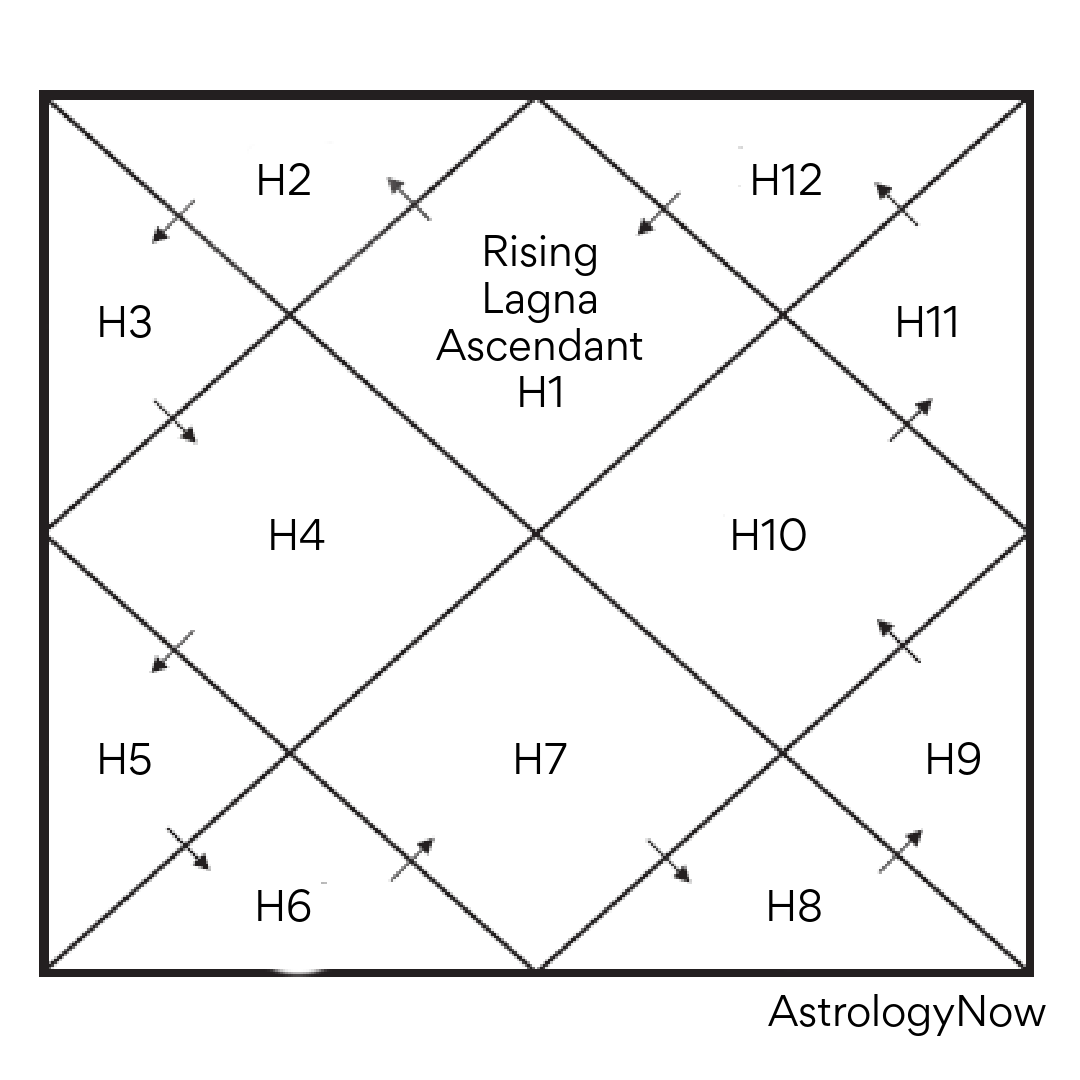
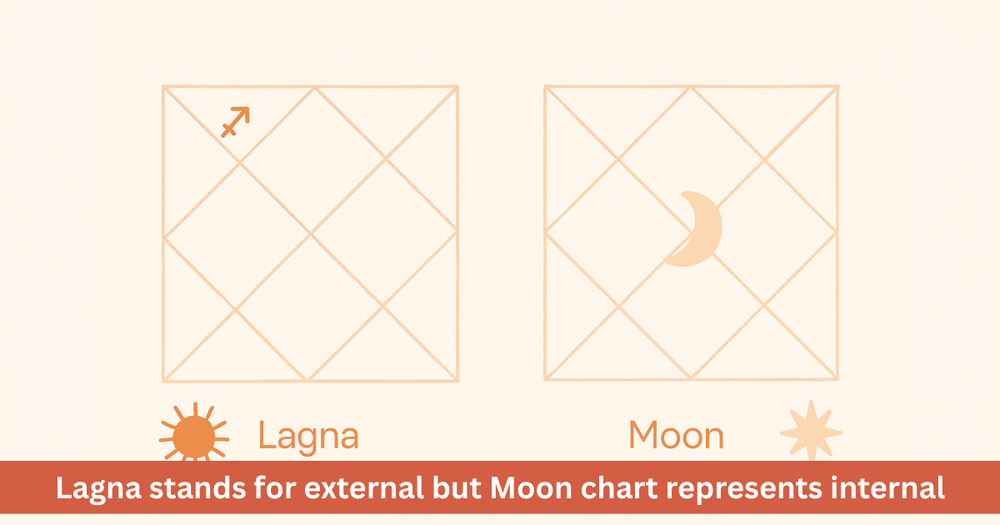


In Vedic astrology, the Moon is so central that charts are often analyzed from Chandra Lagna (Moon as Ascendant).
Why?
Because the Moon reveals:
- How life is experienced emotionally
- Subjective perception of events
- Internal narrative
In Phaladeepika (Chapter 1–2), Mantreswara emphasizes examining planetary results from both Lagna and Moon.
If the Ascendant shows objective life path,
the Moon shows lived emotional reality.
The Emotional Body and Somatic Echo
The statement often heard in spiritual circles — “Most physical ailments begin in the emotional body” — should be understood symbolically.
Vedic thought sees the human being as layered:
- Physical body (Annamaya Kosha)
- Energy body (Pranamaya Kosha)
- Mental-emotional body (Manomaya Kosha)
- Wisdom body
- Bliss body
This model is described in the Taittiriya Upanishad (Brahmananda Valli, Section on the Five Koshas).
When emotional tension accumulates in the Manomaya Kosha, imbalance may ripple outward symbolically.
Astrology mirrors this by showing Moon afflictions during emotionally turbulent periods.
Signs of a Moon-Dominant Personality
Individuals strongly influenced by the Moon often:
- Feel deeply and intuitively
- Absorb others’ moods
- Struggle with emotional boundaries
- Experience vivid dream life
- Internalize criticism intensely
If the Moon lacks grounding influences (like Saturn’s discipline or Jupiter’s wisdom), emotional flooding may occur.
Healing the Moon (Symbolic Practices)
Traditional recommendations in Jyotish include:
- Strengthening routine and emotional consistency
- Moon mantra chanting (e.g., “Om Som Somaya Namah”)
- Spending time near water
- Observing fasts on Mondays
- Practicing emotional expression rather than suppression
Again, these are spiritual-symbolic tools, not substitutes for professional healthcare.
Final Reflection: Your Moon Is Your Inner Climate
The Moon is not just a graha (planetary force). It is your inner weather system.
When nurtured:
- It becomes intuition.
- It becomes compassion.
- It becomes emotional intelligence.
When neglected:
- It becomes reactivity.
- It becomes mood instability.
- It becomes subconscious turbulence.
“Chandramā Manaso Jātaḥ” reminds us:
Your emotional world is not incidental — it is cosmic in origin.
To care for your Moon is to care for your inner sky.
Detailed References
- Rigveda, Mandala 10, Hymn 90 (Purusha Sukta), Verse 13. Translation by Stephanie W. Jamison & Joel P. Brereton, The Rigveda: A Guide, Oxford University Press, 2014.
- Maharishi Parashara. Brihat Parashara Hora Shastra, Chapter 3 (Nature of Planets – Graha Swarupa). Translation by R. Santhanam, Sagar Publications.
- Kalyana Varma. Saravali, Chapter 25 (Effects of Moon), Ranjan Publications edition.
- Mantreswara. Phaladeepika, Chapters 1–2 (Importance of Lagna and Moon), Motilal Banarsidass edition.
- Taittiriya Upanishad, Brahmananda Valli, Section 2–5 (Doctrine of Five Koshas). Translation by Swami Gambhirananda, Advaita Ashrama, 1958.
- Vagbhata. Ashtanga Hridayam, Sharira Sthana (Chapter on Nidra and mental disturbance correlations), translated by Prof. K.R. Srikantha Murthy, Chaukhambha Orientalia.
- Jung, C.G. C.G. Jung Letters, Vol. 1: 1906–1950, Princeton University Press, Letters referencing astrology and psyche analysis (see pp. 175–180 in 1973 edition).