
Ketu in Vedic Astrology: The Psychology of Detachment, Creativity, and Spiritual Isolation in the Lives of Artists and Saints
Ketu: The Silent Architect of Inner Distance
Greatness rarely begins with applause.
It begins with separation.
Not dramatic collapse.
Not rebellion.
Just a quiet shift — a feeling of not fully belonging anymore.
In Vedic astrology, this pattern often echoes the symbolism of Ketu — the south node of the Moon, the planet of detachment, karmic residue, and inward turning.
Separation Before Purpose
Consider the life of Diljit Dosanjh.
He moved away from his village at a young age for education. Such relocations are often described practically — opportunity, schooling, better prospects. Yet for a child, distance is felt emotionally before it is understood intellectually.
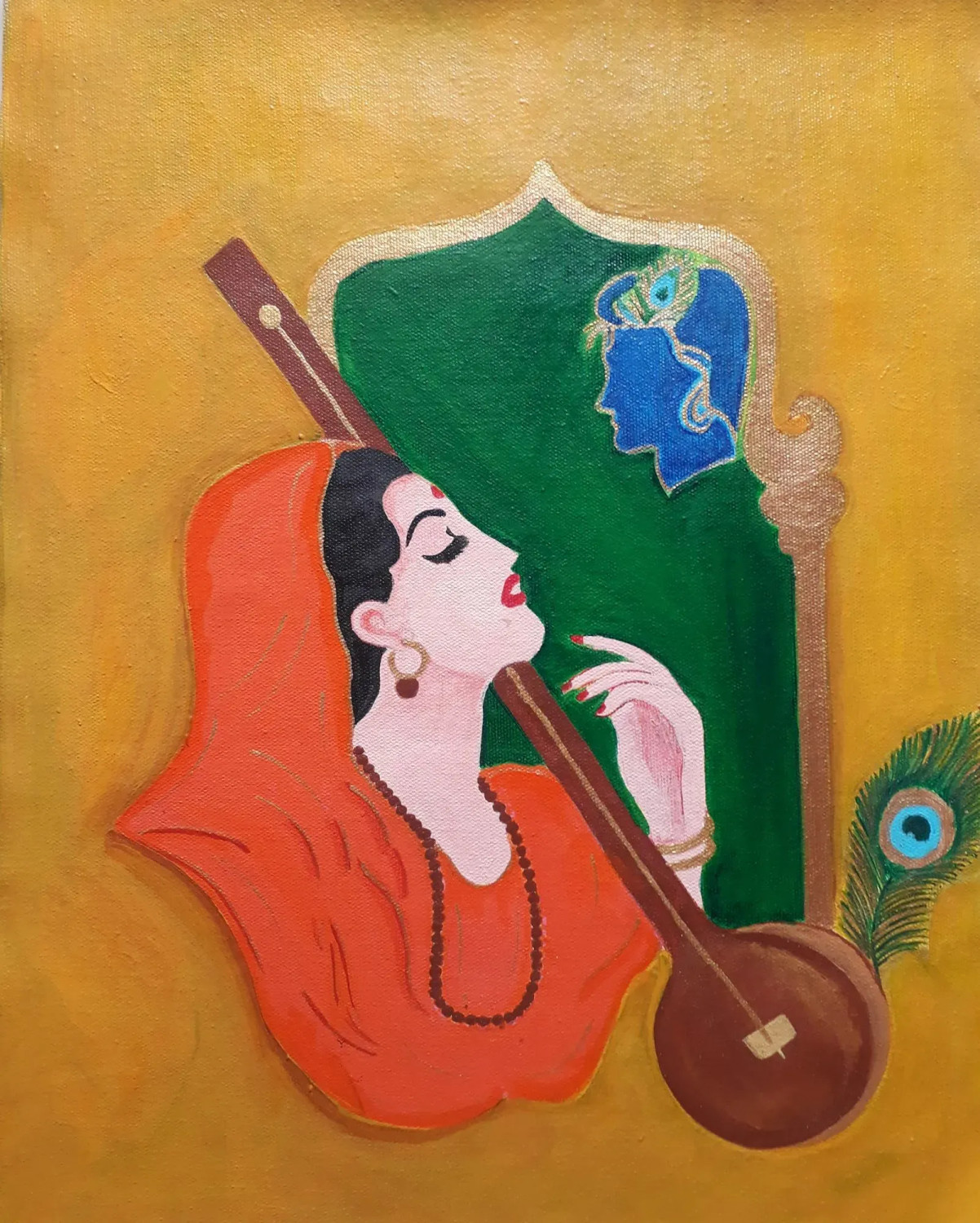
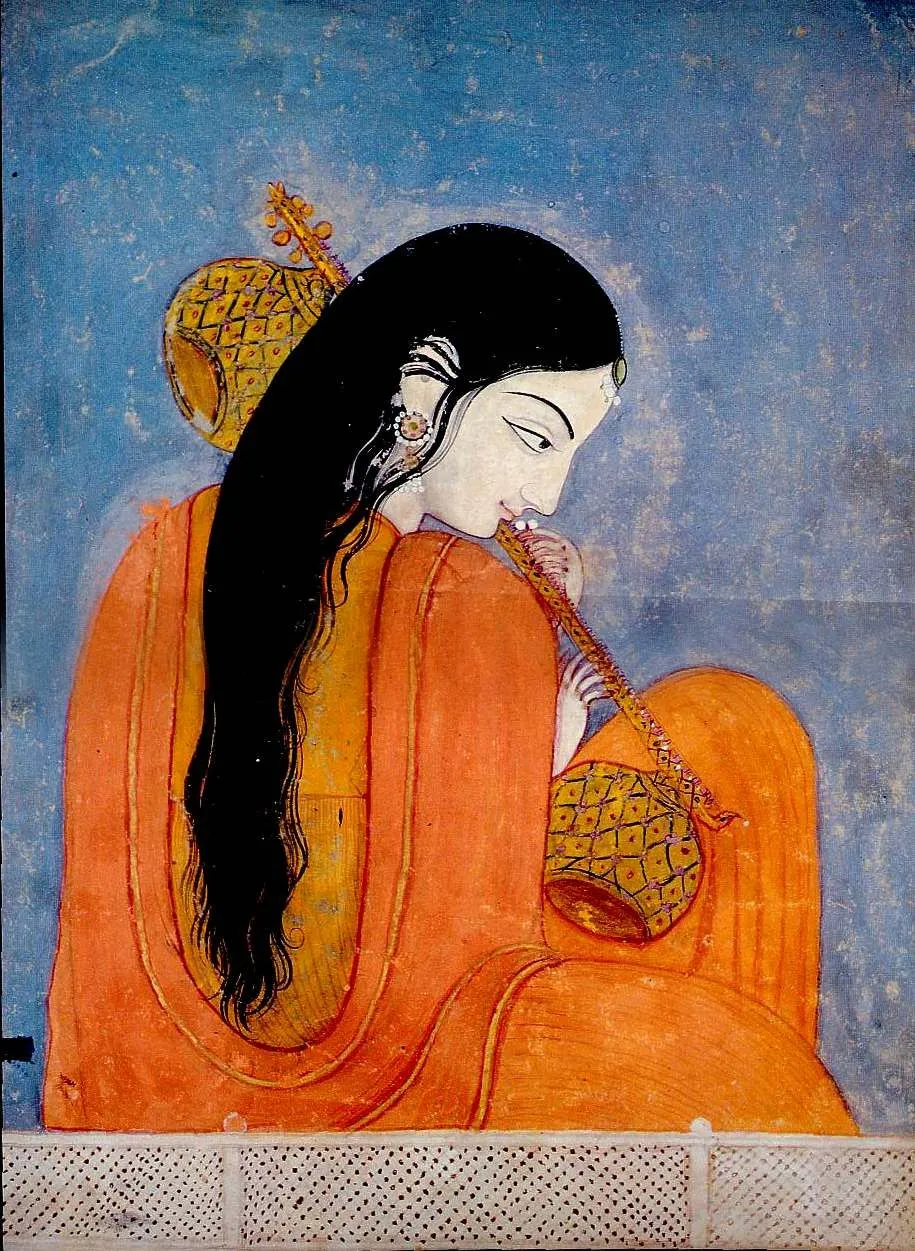
Similarly, Meera Bai experienced a different form of separation. Married into royalty, surrounded by ritual and status, she was externally secure but inwardly alone. Her devotion did not align with her social environment.
Different contexts — similar emotional signature.
Ketu does not always remove love.
It removes identification.
Ketu in Classical Texts
In Brihat Parashara Hora Shastra (Chapter 50, Effects of Ketu Dasha), Parashara describes Ketu as:
- Spiritualizing
- Separating
- Capable of granting moksha
- Producing renunciation
Ketu is called “Dhwaja” (flag) — symbolizing karmic residue carried forward from previous experiences.
Unlike Rahu (which amplifies desire), Ketu reduces attachment.
Emotional Minimalism: Poverty or Privilege
Ketu does not discriminate between scarcity and abundance.
- In poverty → it teaches restraint.
- In luxury → it creates disinterest.
Diljit’s early financial modesty cultivated simplicity.
Meera Bai’s royal surroundings did not bind her emotionally.
Ketu strips emotional excess — whether through lack or detachment.
The Artist’s Withdrawal


An artist does not become profound overnight.
Something is withdrawn first:
- Recognition
- Security
- Emotional validation
Conversations feel superficial.
Applause feels hollow.
This is not depression by default — it is disidentification.
Many people respond by trying harder to belong.
Artists often respond by turning inward.
Ketu’s Psychological Signature
In Jyotish interpretation:
- Ketu + Moon → Emotional privacy
- Ketu + Venus → Love detached from pleasure
- Ketu in 5th house → Creativity becomes intense, not playful
- Ketu in 8th or 12th → Isolation and inner transformation
Reference:
Phaladeepika – Chapter on Nodes (Rahu–Ketu effects)
Ketu does not create noise.
It creates silence.
Devotion Before Recognition
Before global fame, Diljit sang devotional hymns (Shabads) in gurdwaras.
Meera Bai composed bhajans for Krishna, not for courts.
Both expressed before they were celebrated.
This is Ketu’s deeper function:
Expression without craving validation.
Artist and Saint: Parallel Paths


The difference between an artist and a saint is form — not process.
- The artist externalizes the experience.
- The saint internalizes it.
Both experience:
- Misunderstanding
- Solitude
- Withdrawal from external reward
In Bhagavad Gita (Chapter 6, Dhyana Yoga), Krishna speaks of the yogi who finds fulfillment within, independent of external validation.
Ketu’s energy aligns with this inward anchoring.
Fame Without Possession
One observable trait in some Ketu-influenced personalities:
Success does not appear to own them.
Detachment persists even after recognition.
This is because Ketu dissolves identification with outcome.
Loneliest Years, Deepest Work
It is often during periods of isolation that:
- Artists produce their most honest work
- Saints deepen their surrender
When validation disappears, expression becomes necessity.
Creation shifts from ambition → survival.
This theme repeats in charts where Ketu influences:
- 1st house (identity shift)
- 5th house (creative intensity)
- 8th house (inner stripping)
- 12th house (withdrawal and moksha)
Important Clarification
Ketu is not inherently suffering.
It is refinement.
It removes what is unnecessary so that what is essential can emerge.
If poorly integrated, it may feel like alienation.
If spiritually integrated, it becomes liberation.
The Invisible Force
Society often celebrates artists after struggle.
Saints after exile.
Astrology quietly observes:
Early separation → Inner solitude → Expression or surrender.
The form differs.
The inner stripping is the same.
Final Reflection
An artist and a saint walk the same corridor of detachment.
One dissolves into art.
The other dissolves into silence.
Both are shaped by Ketu —
not as punishment,
but as purification.
References
- Brihat Parashara Hora Shastra – Chapter 50 (Ketu Dasha Effects)
- Phaladeepika – Rahu–Ketu Effects
- Bhagavad Gita – Chapter 6 (Dhyana Yoga)

You may also like