
The Meaning of 9° and 10° in Astrology: A Research-Based Exploration of Critical Zodiac Degrees and Life Turning Points
Astrological degrees are often overlooked in beginner-level chart interpretation. Yet, in advanced Jyotisha and even Western astrology traditions, degrees can add remarkable nuance to how planetary energy manifests.
This article presents a structured exploration of two specific degrees — 9° and 10° — based on observational research and classical symbolism. While this is not a rigid predictive rule, it offers a conceptual framework for deeper analysis.
Degrees alone never determine destiny; they must be interpreted within the context of house placement, sign dignity, aspects, and planetary periods.
The Astrological Importance of Degrees
Every zodiac sign spans 30 degrees. Ancient astrologers, including those cited in Brihat Parashara Hora Shastra and later commentators, emphasized strength based on sign placement, but degree-based refinement developed more fully in both:
- Classical Indian astrology (through varga divisions and nakshatra padas)
- Hellenistic and medieval Western astrology (through monomoiria and critical degrees)
Modern astrologers also analyze specific degrees symbolically — particularly when patterns repeat in charts of prominent individuals.
9 Degrees in Astrology: Resistance, Friction, and Karmic Testing
Working Hypothesis
Planets positioned at 9° may experience intensified resistance in expressing their natural significations. The native may:
- Face obstacles in attaining that planet’s results
- Experience delays or public embarrassment related to its themes
- Encounter lessons through personal misjudgment or external pressure
The experience often forces maturity through friction.
Case Illustrations: 9 Degrees
1. 9° and Progeny Struggles
In a Cancer Ascendant example observed in practice:
- The 5th lord (signifying children) was placed at 9°
- The native reported prolonged delay in conception
Here, the planet ruling the house of children showed resistance at the degree level, amplifying the challenge.
2. 9° Sun and Child-Related Themes
When the Sun — a natural significator of vitality and lineage — appears at 9°, especially when connected to the 5th or 12th houses, childbirth or legacy-related themes may become karmically complex.
Again, full-chart confirmation is essential.
3. Caitlyn Jenner – Ascendant at 9°




With the Ascendant degree around 9°, identity themes became central and highly contested. Public revelation during the 20/20 interview marked a dramatic personal shift.
When the Ascendant (self-identity) is marked by frictional degrees, the individual may undergo visible transformation after prolonged internal struggle.
4. KL Rahul – Rahu at 9°




In this chart observation, Rahu at 9° corresponded with controversy triggered by public commentary. Rahu relates to media, amplification, and scandal. When placed at a frictional degree, public missteps may escalate rapidly.
5. Bill Gates – Uranus at 9°


With Uranus (innovation, disruption) at 9°, notable missed strategic opportunities have been publicly acknowledged, particularly regarding mobile operating systems. Gates himself has spoken about strategic mistakes in interviews.
Here, 9° appears to correlate with learning through retrospective recognition of error.
10 Degrees in Astrology: Breakthrough and Pattern Disruption
Working Hypothesis
Planets positioned at 10° often correlate with:
- Pattern-breaking experiences
- Exceptional mastery in the planet’s domain
- Public recognition through innovation
- Forced growth that surpasses peer or generational norms
Rather than resistance, 10° may symbolize structured expansion and crystallization of planetary power.
Case Illustrations: 10 Degrees
1. Steve Jobs – Rahu/Ketu at 10°


With nodal placements at 10°, Jobs revolutionized multiple industries:
- Co-founding Apple
- Launching transformative consumer technology
- Leading Pixar Animation Studios
Rahu at a breakthrough degree amplified innovation and visionary disruption.
2. Bernard Arnault – Venus at 10°




Venus governs luxury, aesthetics, and wealth symbolism. At 10°, placed strongly, it coincides with leadership of LVMH — the world’s largest luxury goods conglomerate.
Here, Venus manifests as refined aesthetic dominance on a global scale.
3. Warren Buffett – Mercury at 10°
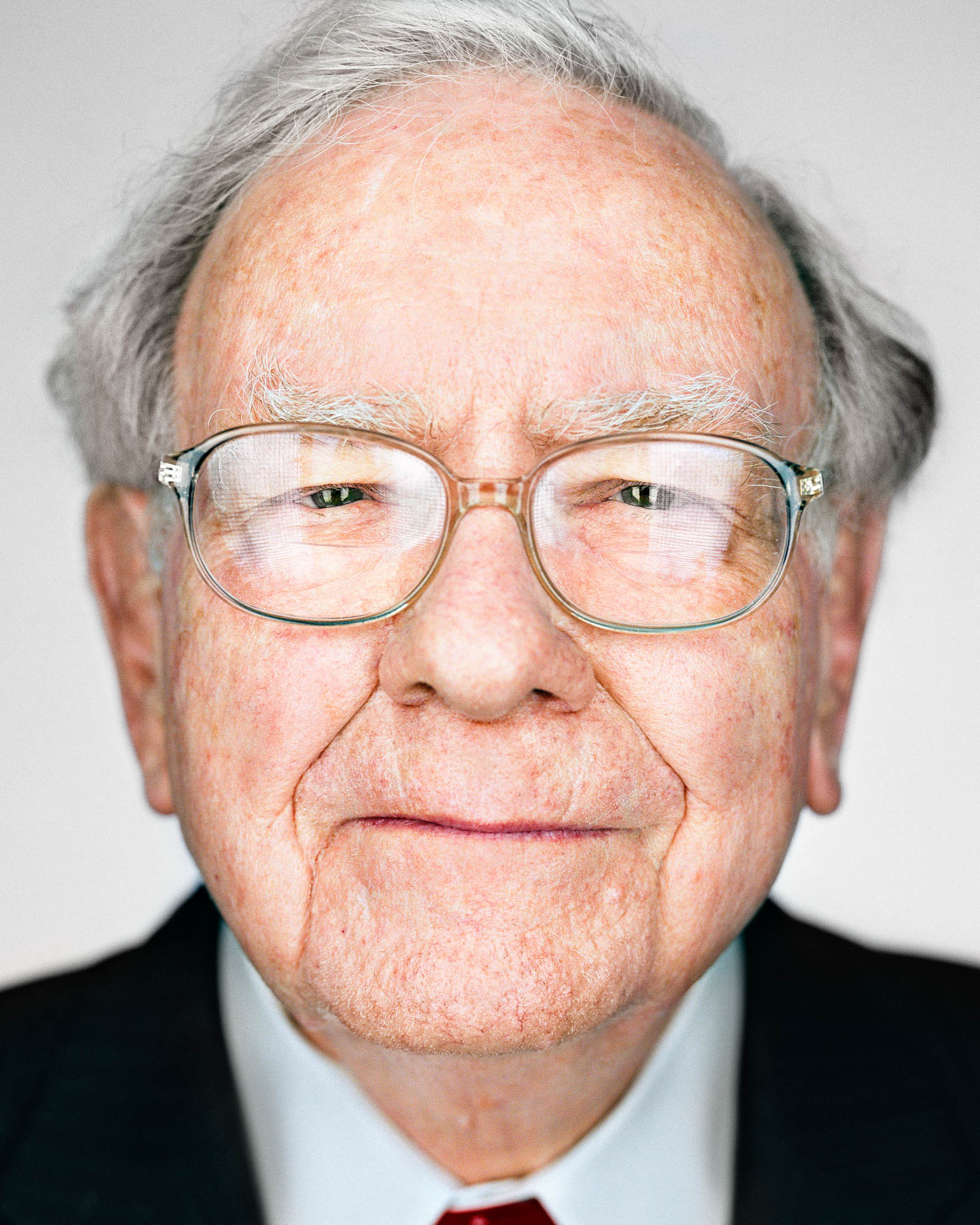



Mercury relates to analysis and calculation. Buffett’s long-term investment philosophy reflects disciplined mental mastery. When Mercury is reinforced at a structurally strong degree, intellectual clarity becomes central to success.
4. Sachin Tendulkar – Sun at 10° (Exalted)


An exalted Sun at 10° in the 10th house amplifies leadership and public legacy. Tendulkar’s enduring recognition as one of cricket’s greatest figures reflects powerful solar expression.
Theoretical Considerations
Why might 9° and 10° behave differently?
Possible frameworks include:
- Nakshatra pada transitions
- Navamsa thresholds
- Symbolic numerology (9 as completion; 10 as structural manifestation)
- Degree-sensitive strength theories in Western astrology
This remains an evolving research area rather than a classical rule explicitly stated in early Sanskrit texts.
Important Caution
Degrees alone do not override:
- Sign dignity
- House placement
- Aspects
- Planetary periods (Dasha)
- Divisional charts
Astrology is a layered symbolic system. Degree research adds nuance — it does not replace foundational analysis.
Keyword Phrases
9 degree astrology meaning, 10 degree astrology significance, critical zodiac degrees research, planet at 9 degrees interpretation, planet at 10 degrees success astrology, degree-based astrology case studies, nodal degrees astrology, exalted Sun 10 degrees interpretation.
References
- Brihat Parashara Hora Shastra – Foundational principles of planetary strength and house interpretation (Chapters 3, 24).
- Phaladeepika – Discussion on planetary dignity and results in houses.
- Saravali – Planetary effects in houses and sign-based strength.
- Holden, James Herschel. A History of Horoscopic Astrology. American Federation of Astrologers, 1996 – Sections on Hellenistic degree systems.
- Brennan, Chris. Hellenistic Astrology: The Study of Fate and Fortune. Amor Fati Publications, 2017 – Chapters on degree-based techniques and monomoiria.
- Biography and documented public statements:
- Steve Jobs interviews and Apple product launch archives
- Berkshire Hathaway annual shareholder letters (Warren Buffett)
- Public interviews of Bill Gates (Microsoft strategy reflections)