

📜 Origin of Astrology and Classification of Vedic Astrology
Table of Contents
- Introduction
- Origin and History of Astrology
- The Birth of Vedic Astrology (Jyotish)
- Classification of Vedic Astrology
- 4.1 Predictive Astrology (Jataka)
- 4.2 Electional Astrology (Muhurta)
- 4.3 Horary Astrology (Prasna)
- 4.4 Astro-Palmistry and Nadi Astrology
- 4.5 Other Specialized Systems
- Key Components of Vedic Astrology Explained
- 5.1 Zodiac & Nakshatras
- 5.2 Planets and Their Roles
- 5.3 Houses (Bhavas)
- 5.4 Dashas (Planetary Periods)
- 5.5 Yogas and Special Configurations
- 5.6 Panchānga (Time Factors)
- Vedic vs. Western Astrology – A Detailed Comparison
- Conclusion
- References
🪐 1. Introduction
Astrology is an ancient symbolic system that interprets celestial patterns to gain insight into human life and terrestrial events. Although it is widely regarded as a pseudoscience by modern science, it has influenced cultures worldwide for millennia. (Wikipedia)
🌌 2. Origin and History of Astrology
The earliest organized form of astrology emerged in Babylon around the 2nd millennium BCE, where celestial omens were systematically recorded and interpreted. Other ancient cultures – including Egypt, Greece, and China – developed their own systems separately. (Wikipedia)
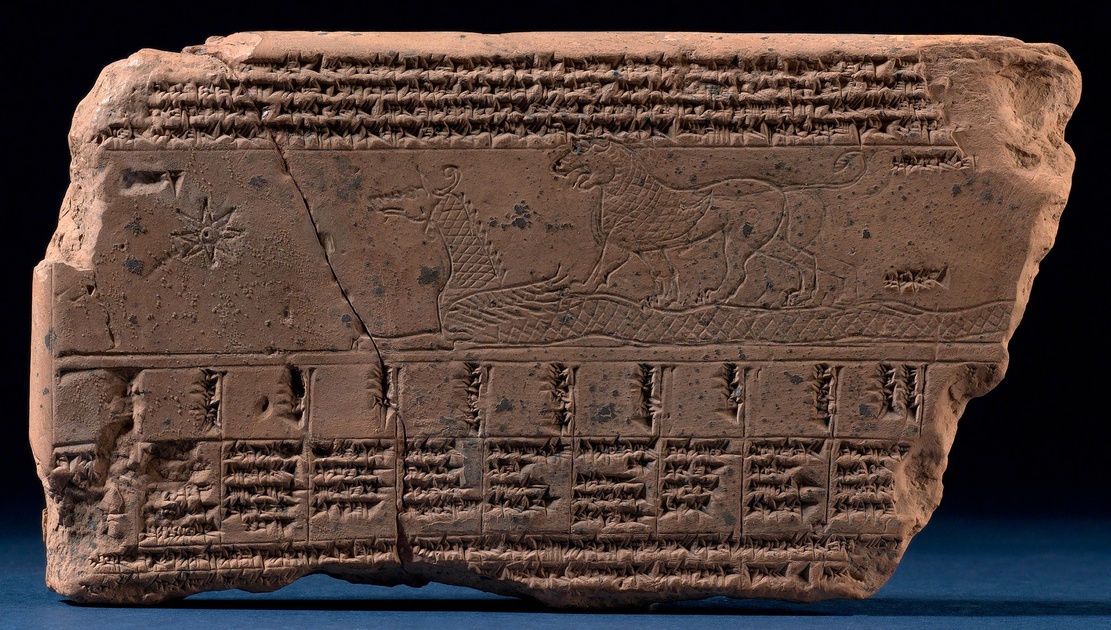

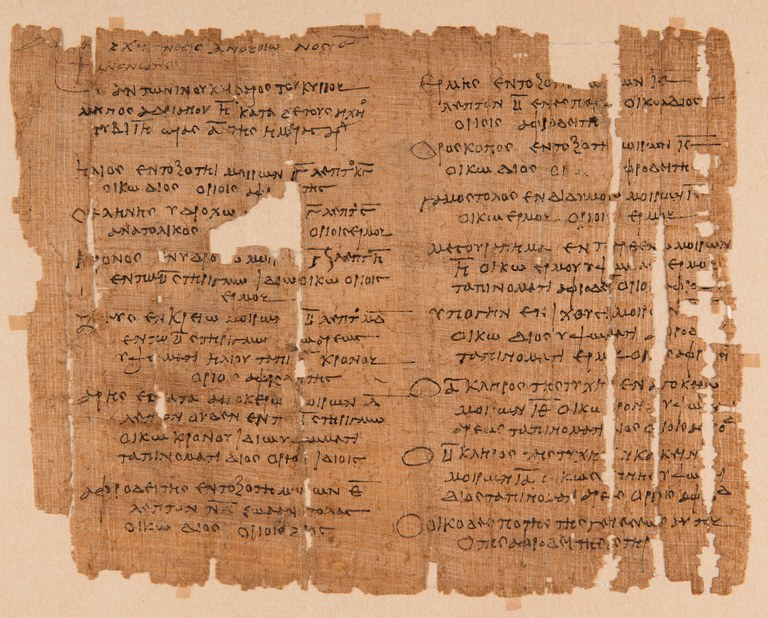
Astrology’s development was global:
- Mesopotamia & Babylon – earliest omen lists and celestial observation. (Wikipedia)
- Hellenistic World – astrology blended with Greek philosophy and astronomy. (Wikipedia)
- India – developed its own indigenous system, deeply rooted in Vedic scriptures. (Wikipedia)
🕉️ 3. The Birth of Vedic Astrology (Jyotish)
Vedic astrology, known as Jyotish (Sanskrit “science of light”), is one of the oldest surviving astrological traditions. (The Times of India)
Key points:
- Its roots trace back to the Rig Veda (c.1500–1200 BCE) where celestial bodies and their influence were first mentioned. (The Times of India)
- The earliest known astrological text is the Vedanga Jyotisha, focused on tracking sun and moon motions for timings of rituals. (Indastro)
- However, horoscopic astrology as a predictive practice developed over time, influenced by later Indian and Greek interactions. (Wikipedia)
Distinctive features of Vedic astrology include its emphasis on karma, cosmic timing, and life patterns, not just personality analysis. (Culture and Heritage)
📚 4. Classification of Vedic Astrology
Vedic astrology can be broadly classified into several specialized branches, each with a specific purpose:
🔹 4.1 Predictive Astrology (Jataka Jyotisha)
This is the core of Vedic astrology — interpretation of birth charts to predict an individual’s life events such as career, marriage, health, etc.
🔹 4.2 Electional Astrology (Muhurta)
This branch determines the most auspicious times to begin important activities (like weddings, business launches, house-warming), based on planetary placements.
🔹 4.3 Horary Astrology (Prasna Shastra)
Here, a chart is cast for the moment a question is asked, and the answer is interpreted directly from that moment’s celestial configuration.
🔹 4.4 Specialized Systems
There are additional niche systems, such as:
- Tajika Jyotish – annual forecasts based on the solar return. (Wikipedia)
- Nadi Astrology – based on ancient palm-leaf manuscripts.
- Astro-Palmistry – integration of palm reading with astrological insights.
🔍 5. Key Components of Vedic Astrology Explained
⭐ 5.1 Zodiac & Nakshatras
Unlike Western astrology’s division of the zodiac by seasons, Vedic astrology uses the sidereal zodiac — aligned with the actual positions of constellations in the sky. (robertkoch.com)
Moreover, it adds Nakshatras (lunar mansions) — 27 star segments each with unique qualities that deeply influence personality and timing.
🪐 5.2 Planets (Grahas)
Nine major planets are used in Vedic astrology:
Sun, Moon, Mars, Mercury, Jupiter, Venus, Saturn, Rahu (north node), and Ketu (south node).
Rahu and Ketu, though not physical bodies, are considered powerful karmic indicators.
🏠 5.3 Houses (Bhavas)
A chart is divided into 12 houses, each representing areas of life:
- Self & personality
- Wealth & family
- Communication & siblings
… and so on.
The planets’ house positions shape life experiences.
⏳ 5.4 Dashas (Planetary Periods)
One of Vedic astrology’s most unique tools is the Dasha system, which segments life into planetary periods — each with predictive influence on life phases. (vedicplanet.com)
☀️ 5.5 Yogas and Special Configurations
Certain planetary alignments (called yogas) are believed to create specific life outcomes — like wealth, learning ability, or spiritual inclinations.
📅 5.6 Panchānga (Five Limbs of Time)
A Vedic calendar (panchānga) tracks five key temporal elements — tithi (lunar day), nakshatra, yoga, karana, and weekday — crucial for timing ceremonies and interpretation. (Wikipedia)
⚖️ 6. Vedic vs. Western Astrology – A Detailed Comparison
| Aspect | Vedic Astrology | Western Astrology |
|---|---|---|
| Zodiac | Sidereal — aligned with actual star positions (robertkoch.com) | Tropical — tied to seasons and equinox points (robertkoch.com) |
| Focus | Moon sign & karma (vedicmarga.com) | Sun sign & personality traits (Tiny Rituals) |
| Predictive Tools | Dashas, yogas, remedial suggestions (vedicplanet.com) | Transits, progressions, psychological interpretation (Meer) |
| Houses | Based on sidereal chart | Seasonal houses (tropical) (Meer) |
| Remedies | Gemstones, mantras, rituals recommended | Generally no formal remedial system (Medium) |
Principal difference: Vedic astrology uses a star-based zodiac and detailed timing systems, whereas Western astrology is season-based and psychological in approach. (robertkoch.com)
🧭 7. Conclusion
Vedic astrology (Jyotish) stands as a profound and meticulously structured astrological science with deep roots in the Vedas. It differs significantly in method and philosophy from Western astrology, emphasizing karmic patterns, lunar influences, and predictive timing — making it a unique and enduring tradition.
📚 8. References
Below are detailed sources used in this article:
- History of Astrology overview – Babylon, Greece, and India history. (Wikipedia)
- Vedic Astrology origin & texts – Rig Veda, Vedanga Jyotisha. (Indastro)
- Classification & Panchānga – Panchānga components. (Wikipedia)
- Differences between Vedic & Western astrology – Sidereal vs Tropical explanations. (robertkoch.com)
- Vedic astrology components and principles – Dashas, Nakshatras, remedies. (vedicplanet.com)